Stroke. What to do after returning home from hospital?
NORMAN Neurological Rehabilitation Centre
Therapy results
What patients say about us
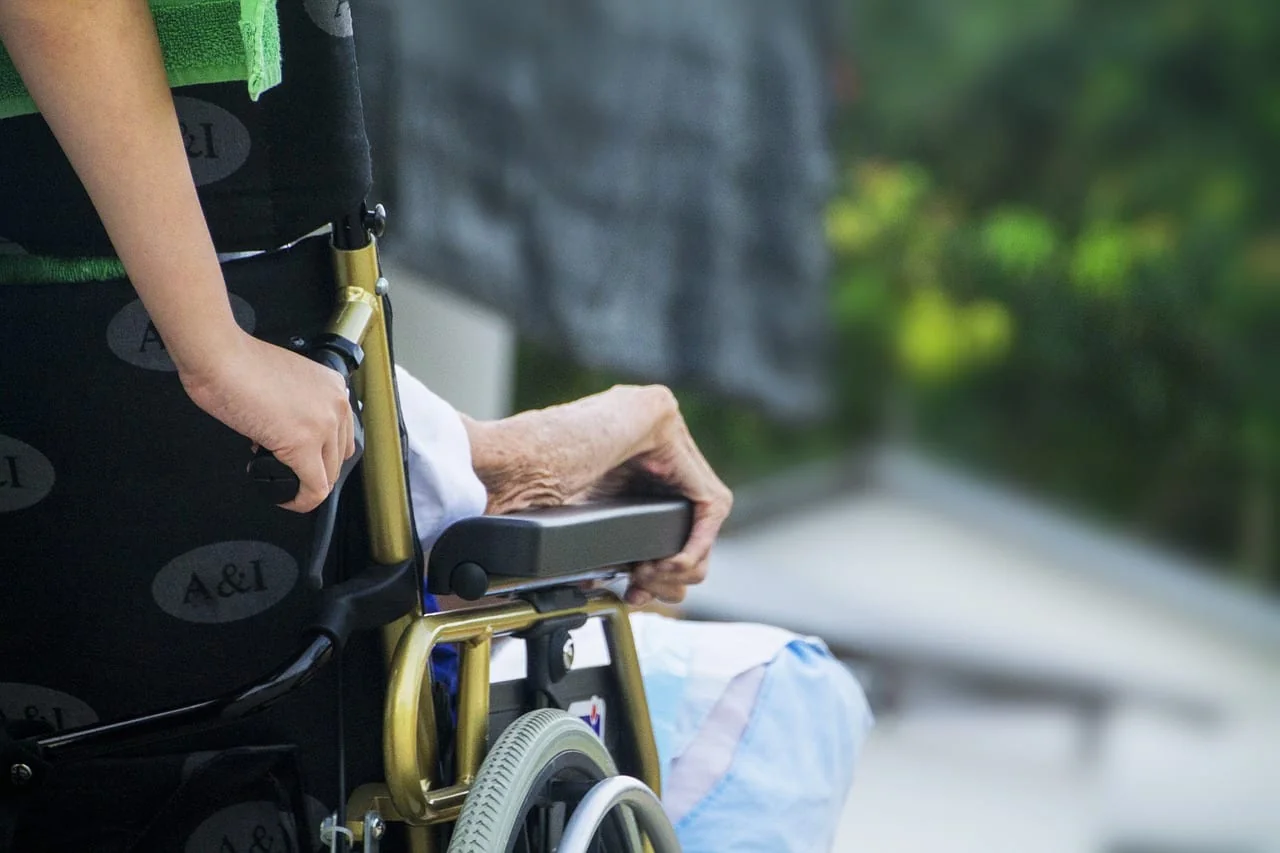
Families often face the dilemma of who should look after a stroke patient once they return home. This is where we feel helpless. The loss of ordinary communication, the vulnerability and the absence of certain motor functions in patients cause anxiety, confusion and a sense of powerlessness in carers. No one is prepared for it – a stroke is a sudden event, and only after it has happened do we begin to piece together the causes. We search blindly, in all directions.
Support
Stroke patients are still the same people we have always known – and we know them best, along with their needs and habits. This is the channel of understanding through which we try to work together with our loved ones.
Specialist help
Depending on the patient’s condition, help may be needed from a range of specialists: from the care of a neurologist, through a qualified neurological therapist and a neuropsychologist supporting the recovery of cognitive function and memory, to a neuro-speech therapist addressing speech difficulties after a stroke, and in some cases a dietitian as well.
A patient may have various pre-existing conditions, so it is worth reviewing medications and past illnesses or previous diagnoses – for example from a diabetologist, cardiologist or pulmonologist. Each of these specialists plays a very important role in such cases and should provide full information on how to care for the patient, so that their condition can be approached holistically.
In our view, the physiotherapist plays a key role, and their task should be to prepare carers for the situation they now face. This should translate into instruction on positioning the patient correctly in therapeutic positions, showing suitable ways to move and reposition the patient so that neither patient nor carer is exposed to discomfort or injury.
What matters?
We do not stop rehabilitation after the first positive results of therapy. Continuing stroke rehabilitation – for example during a rehabilitation stay after a stroke – is extremely important and essential for maintaining the patient’s progress.
Read next
Loss of speech after a stroke. Aphasia and the role of the speech therapist in the therapy process.
Aphasia after a stroke is the loss of the ability to understand and produce speech. We explain the types of aphasia, the role of the speech therapist and the directions rehabilitation can take.
Read more →
Can every stroke patient be rehabilitated?
Whether rehabilitation after a stroke is possible depends on the patient’s health, the time since the event and the right choice of therapy. We explain when rehabilitation is possible and how to find the right course of action.
Read more →
When should rehabilitation after a stroke begin?
Early rehabilitation after a stroke usually starts on the neurology ward, but its scope and pace always depend on the patient’s condition and the doctor’s decision.
Read more →
Stroke – brain areas and the effects of brain damage.
The brain is the source of our identity, intellect and emotions. Here is a short guide to the different areas of the brain and the deficits that can arise when they are damaged by an ischaemic stroke.
Read more →
Stroke – emotions, mood and depression
A stroke can damage the brain structures responsible for regulating emotions and mood, which is why depression, anxiety, motivation problems and difficulties with rehabilitation can appear afterwards.
Read more →
Stroke symptoms: how to recognise them and how to respond?
Recognising the symptoms of a stroke quickly and calling for help immediately can save a life and reduce the risk of lasting complications.
Read more →
Spinal cord injury vs spinal cord stroke. What is the difference?
A spinal cord injury and a spinal cord stroke are two distinct conditions with different causes, prognosis and potential deficits. We explain the key differences and the typical consequences of spinal cord damage.
Read more →
10 most common mistakes made by neurological physiotherapists.
Karolina Łozińska describes the most common mistakes made during neurological therapy and the working principles that help to avoid them.
Read more →
Memory loss after a stroke. What it involves and what can help.
Memory loss after a stroke can involve difficulty remembering words, recognising places and learning new things. We explain what can help in everyday functioning and therapy.
Read more →
The next step
Let's talk
We are here to answer any questions you may have about the rehabilitation process.
Describe your case
Send us the details of the patient's condition and we will assess them from a therapeutic perspective.
Email consultation
Write to us describing the condition and the patient's current state of health. We will reply with our view of your situation in the context of rehabilitation.
Video of the patient
You can send us a video showing the patient's current condition. We will respond to your situation and explain the therapeutic options available.