10 most common mistakes made by neurological physiotherapists.
NORMAN Neurological Rehabilitation Centre
Therapy results
What patients say about us
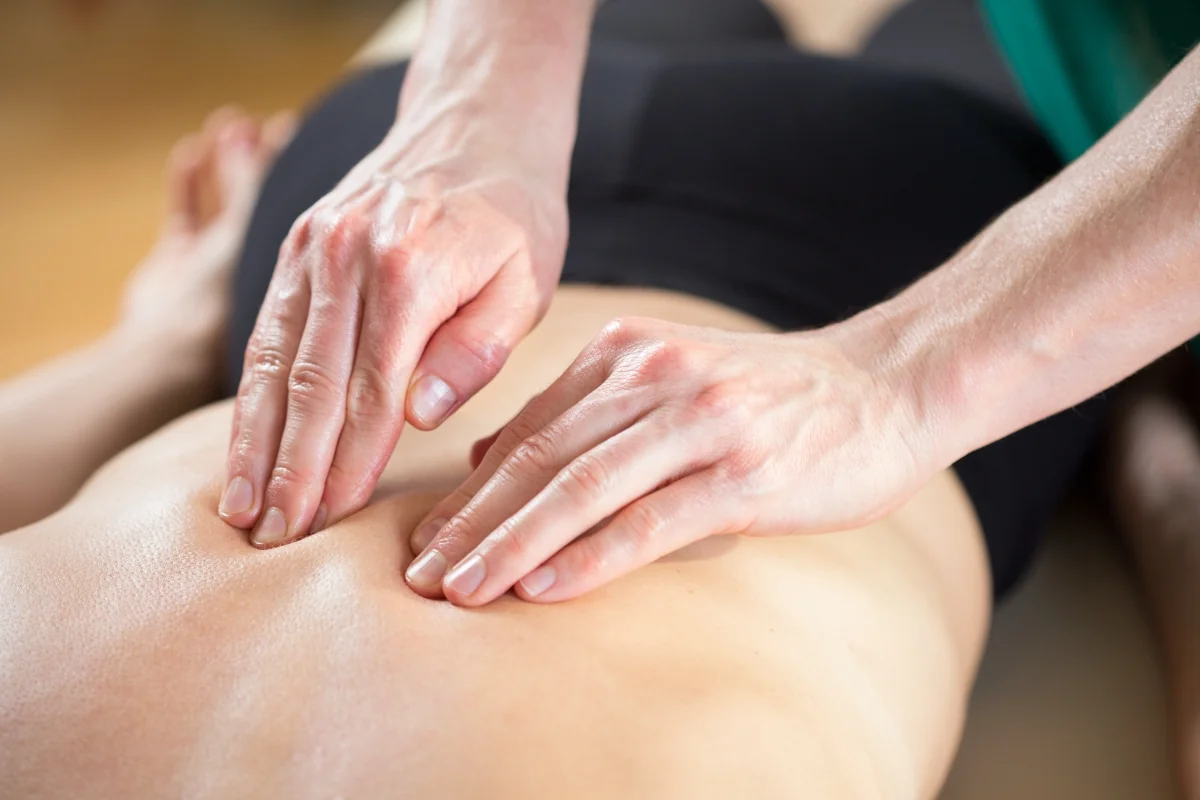
A neurological physiotherapist is one of the essential professions in the rehabilitation of patients with neurological conditions. However, like any professional group, physiotherapists also make various kinds of mistakes.
Some mistakes have no bearing on the rehabilitation process, while others affect it considerably. A therapist’s mistake does not mean therapy slowing down because of natural differences between patients — it means acting in a way that hinders the whole therapeutic process. It is worth setting these alongside the mistakes made by patients and carers during stroke rehabilitation.
10 most common mistakes made by neurological physiotherapists
MISTAKE 1: Having no plan for the patient.
The most common mistake in the long-term care of a patient is the lack of a defined goal, a strategy for improving motor and sensory function, and a realistic aim to achieve within a given course of therapy.
MISTAKE 2: Giving the patient all the information about their deficits at once.
Young therapists often want to tell the patient the whole truth about how they are functioning, which can leave them demotivated. It is better to release information gradually, so that the patient works towards a realistic goal and improves their deficits at the same time, without being emotionally overwhelmed.
MISTAKE 3: Good advice given in the wrong way.
When working with a patient and their family, you should use plain language. Instead of medical jargon, it is better to give instructions in a way that is easy to understand and possible to apply at home and outside the treatment room.
MISTAKE 4: Moving on to the next task without preparing the body for movement.
You should not force the point by trying to prove that a patient will quickly stand or start walking if they have not yet mastered the earlier positions. Motor re-education within neurological rehabilitation programmes has to be carried out in stages: from lying down, through half-sitting and sitting, up to higher-level functions.
MISTAKE 5: Performing movements the patient will never use in everyday life.
Exercises should be practical and possible to repeat at home. If a task is too complicated or requires special equipment, the patient usually will not do it, and this brings progress in therapy to a halt.
MISTAKE 6: A lack of cooperation between therapists.
If a team or a second therapist is working with the patient, a failure to listen to and learn from one another can lead to regression. Cooperation helps to spot the ineffective elements of therapy and to maintain its continuity.
MISTAKE 7: For patients with minimal awareness, doing only passive exercises while lying down.
Even if a patient does not yet show clear responsiveness, therapy should not be limited to passive activities. They should be motivated and treated as capable of progress, because active work may bring results in time.
MISTAKE 8: A lack of a holistic view of the patient.
Focusing solely on one part of the body — for example in therapy for paresis of the hand and upper limb — without considering the surrounding tissues and structures can stall the therapeutic process instead of improving function.
MISTAKE 9: Not giving the patient full attention during therapy.
Checking your phone, focusing more on other people than on the patient, or not giving your full attention undermines the quality of therapy. The most important thing during a session should be the patient’s health and their experience of the therapy.
MISTAKE 10: Dismissing the patient’s view of their own functional state.
A patient may not want help for reasons of their own or because of unresolved emotional problems. You need to see them not only as a medical case, but also as a person with their own psychological and personal context.
The basic principle that helps to avoid major mistakes is this: observe, listen and reflect, so that you can act as effectively as possible — not only as a physiotherapist, but as a person.
Author: Karolina Łozińska, MSc.
Read next
Loss of speech after a stroke. Aphasia and the role of the speech therapist in the therapy process.
Aphasia after a stroke is the loss of the ability to understand and produce speech. We explain the types of aphasia, the role of the speech therapist and the directions rehabilitation can take.
Read more →
Can every stroke patient be rehabilitated?
Whether rehabilitation after a stroke is possible depends on the patient’s health, the time since the event and the right choice of therapy. We explain when rehabilitation is possible and how to find the right course of action.
Read more →
When should rehabilitation after a stroke begin?
Early rehabilitation after a stroke usually starts on the neurology ward, but its scope and pace always depend on the patient’s condition and the doctor’s decision.
Read more →
Stroke – brain areas and the effects of brain damage.
The brain is the source of our identity, intellect and emotions. Here is a short guide to the different areas of the brain and the deficits that can arise when they are damaged by an ischaemic stroke.
Read more →
Stroke – emotions, mood and depression
A stroke can damage the brain structures responsible for regulating emotions and mood, which is why depression, anxiety, motivation problems and difficulties with rehabilitation can appear afterwards.
Read more →
Stroke symptoms: how to recognise them and how to respond?
Recognising the symptoms of a stroke quickly and calling for help immediately can save a life and reduce the risk of lasting complications.
Read more →
Spinal cord injury vs spinal cord stroke. What is the difference?
A spinal cord injury and a spinal cord stroke are two distinct conditions with different causes, prognosis and potential deficits. We explain the key differences and the typical consequences of spinal cord damage.
Read more →
Memory loss after a stroke. What it involves and what can help.
Memory loss after a stroke can involve difficulty remembering words, recognising places and learning new things. We explain what can help in everyday functioning and therapy.
Read more →
Do comorbidities affect stroke rehabilitation?
Coexisting conditions can significantly limit standing up, physical stamina and the choice of exercises after a stroke, so therapy must take account of a full medical history and carefully measured levels of exertion.
Read more →
The next step
Let's talk
We are here to answer any questions you may have about the rehabilitation process.
Describe your case
Send us the details of the patient's condition and we will assess them from a therapeutic perspective.
Email consultation
Write to us describing the condition and the patient's current state of health. We will reply with our view of your situation in the context of rehabilitation.
Video of the patient
You can send us a video showing the patient's current condition. We will respond to your situation and explain the therapeutic options available.