NormanNORMAN — specialised neurological rehabilitation for 30 years.

Rehabilitation after brain tumour surgery

Specialised neurological rehabilitation for patients following brain tumour surgery.

Therapy results

What patients say about us

Specialised neurological rehabilitation for patients with deficits resulting from brain tumour surgery.

Brain tumour surgery is often a sudden and dramatic event, both for the patient and for their closest family. In most cases, people who have undergone surgical intervention require advanced medical care and a suitable rehabilitation programme. It is common for a range of cognitive and motor deficits to develop after brain tumour surgery. Specialised rehabilitation plays a key role in recovery, giving you the chance to regain lost functions.

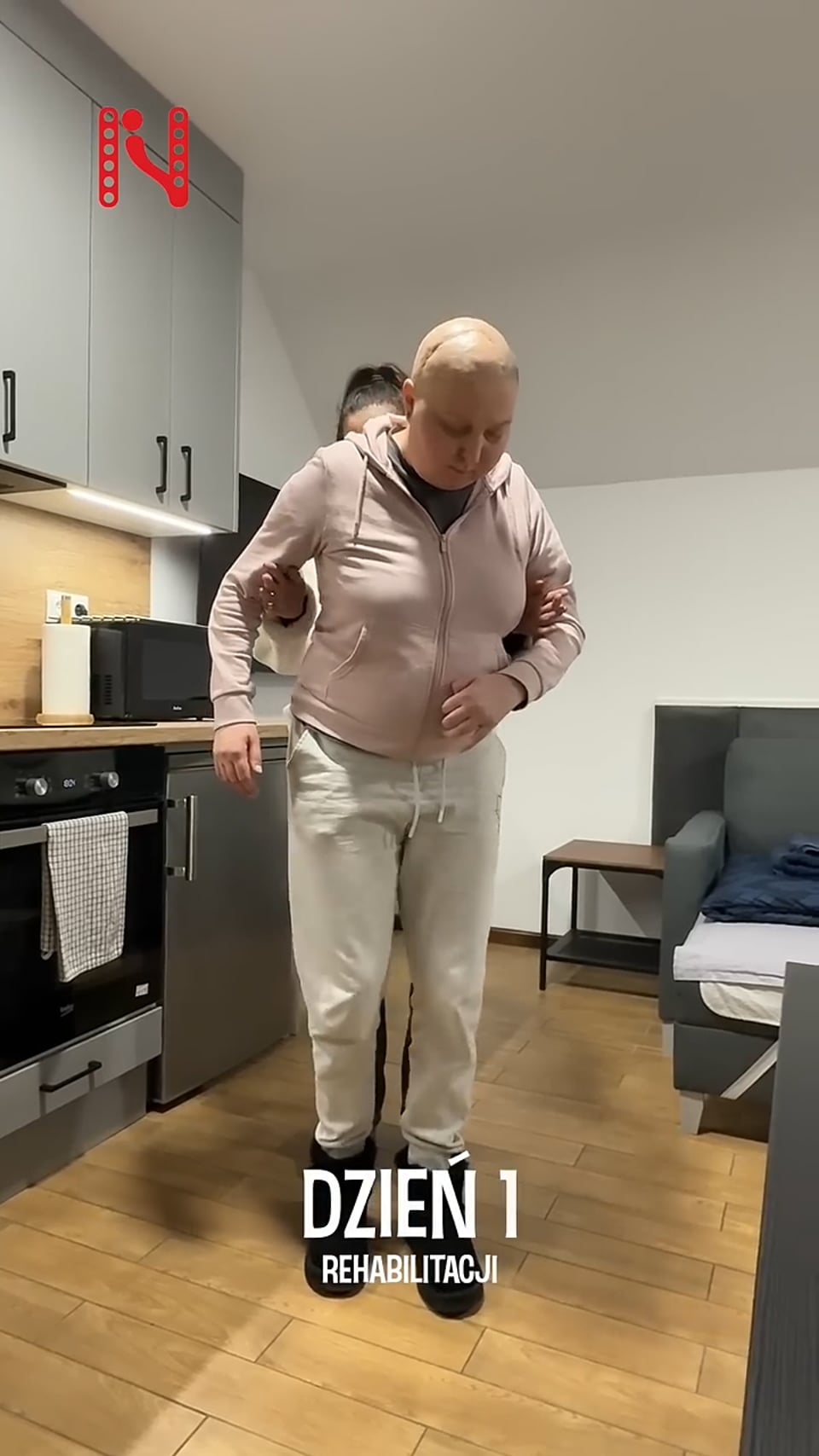
A patient practising walking with a therapist after brain tumour surgery at the NORMAN Centre

The importance of neurological rehabilitation in treating deficits after brain tumour surgery

Neurological rehabilitation after brain tumour surgery is essential in order to maximise the chances of regaining health and independence. Surgery saves lives, but it can cause – as unfortunately happens very often – a variety of functional deficits, depending on the location and size of the tumour, as well as the area of the brain in which it is situated.

This is where specialists trained and experienced in working with patients of this kind can help. At the NORMAN Neurological Rehabilitation Centre we run rehabilitation programmes dedicated to patients following brain tumour surgery. We have brought together more about the condition itself and its consequences in our compendium of knowledge about brain tumours.

Patient story

Progress after brain tumour surgery

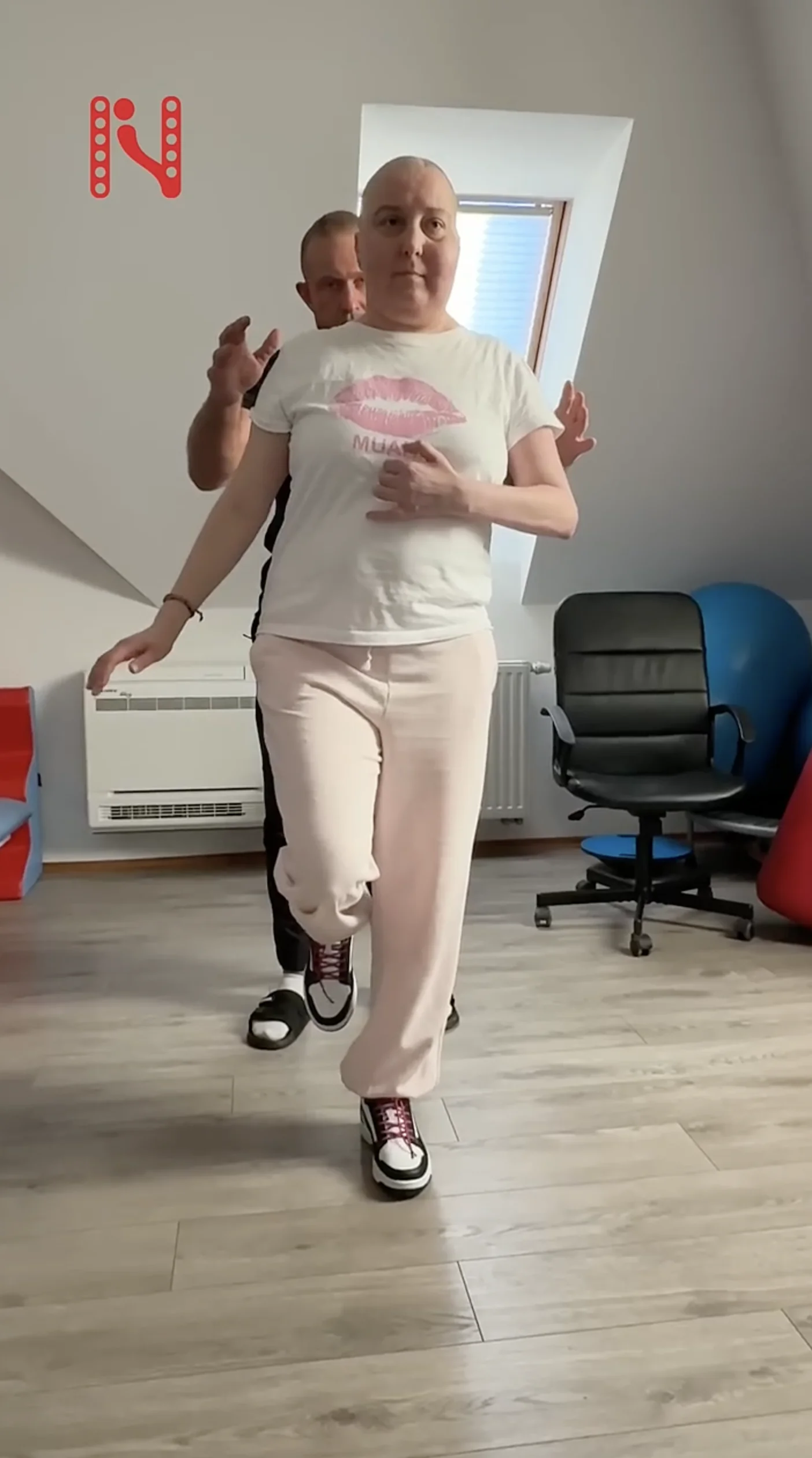
Walking, balance, jumping. Rehabilitation after brain tumour surgery.

Walking, balance, jumping. Rehabilitation after brain tumour surgery.

Motor progress after brain tumour surgery at the NORMAN centre

0:57

Individually tailored rehabilitation plans

Every patient after brain tumour surgery is unique, with their own individual set of deficits and needs. The foundation of effective rehabilitation is a precisely tailored therapy programme, which must be preceded by an assessment of the patient’s functional status, along with the indications and contraindications for specific rehabilitation procedures. Only on this basis is it possible to establish an individual rehabilitation plan for a particular patient.

At the NORMAN centre we begin work after carrying out various functional tests aimed at establishing the patient’s needs, and after reviewing their medical records.

Depending on the location of the tumour, work may focus on different areas: from gait and balance re-education, through cognitive rehabilitation, to speech and swallowing therapy, where these functions have been affected.

This is a very general overview and only a fraction of what we do, because – as we mentioned earlier – every patient is unique and requires a unique approach, along with methods and procedures appropriate to their state of health and capabilities at the time they arrive for their rehabilitation stay.

At the NORMAN Neurological Rehabilitation Centre we are prepared, both technically and clinically, to work with neurological deficits of this kind. For over 30 years we have been running specialised neurological rehabilitation programmes that have helped thousands of patients from all over the world.

Example scope of rehabilitation -

  • verticalisation and gait re-education
  • work focused on restoring upper limb function
  • work focused on improving muscle strength and range of movement
  • work focused on improving motor coordination and balance
  • exercises that help with returning to everyday activities and independence
  • neuro-speech therapy where there are difficulties with speech
  • rehabilitation of cognitive function where this has been affected

Brain tumours can develop in various locations within the brain, and their position is crucial in determining the type of symptoms and the potential deficits that may occur after surgery.

Surgery for a brain tumour in any of these locations carries the risk of specific deficits, depending on which areas of the brain are involved and how close the tumour lies to key brain structures.

Frontal lobe tumours

Location

The front part of the brain.

  • Changes in personality and behaviour
  • Problems with planning and organisation
  • Difficulty forming and carrying out sequences of movements
  • Speech problems (if the tumour affects the left hemisphere in right-handed people)

Temporal lobe tumours

Location

The middle part of the brain, at the sides.

  • Memory problems
  • Difficulty understanding or producing speech
  • Hearing disturbances or auditory hallucinations
  • Emotional changes

Parietal lobe tumours

Location

The upper middle part of the brain, behind the frontal lobe.

  • Problems processing sensory information
  • Difficulty with motor coordination and spatial orientation
  • Problems with reading, writing and arithmetic
  • Inability to recognise objects by touch (astereognosis)

Occipital lobe tumours

Location

The back part of the brain.

  • Visual problems, such as loss of areas of the visual field
  • Difficulty recognising shapes, colours, faces or places
  • Disturbances of visual perception

Cerebellar tumours

Location

The lower, back part of the brain, beneath the occipital lobes.

  • Disturbances of balance and coordination
  • Movement tremor
  • Problems with precise movements

Brainstem tumours

Location

The base of the brain, connecting the brain with the spinal cord.

  • Difficulty controlling vital functions (breathing, heart rate)
  • Problems with swallowing
  • Disturbances of balance and coordination
  • Weakness or paralysis of the limbs

Price calculator

Check the price of your programme

Choose the duration, accommodation and meals, and we will show you the final price of your chosen rehabilitation programme.

Duration
Accommodation
Meals
1

Choose the duration

The next step

Let's talk

We are here to answer any questions you may have about the rehabilitation process.

Describe your case

Send us the details of the patient's condition and we will assess them from a therapeutic perspective.

Email consultation

Write to us describing the condition and the patient's current state of health. We will reply with our view of your situation in the context of rehabilitation.

Video of the patient

You can send us a video showing the patient's current condition. We will respond to your situation and explain the therapeutic options available.