 NORMAN — neurological rehabilitation for 30 years.
Neurological rehabilitation stays
A specialist rehabilitation stay for patients after stroke, traumatic brain injury, brain tumour surgery, spinal cord injury, MS, ALS and other neurological conditions.
Choose your condition or read more about our rehabilitation stays below
Therapy results
What patients say about us
What sets our rehabilitation stays apart
One-of-a-kind therapy programmes— 100% individual therapy
What makes rehabilitation at the Norman centre unique comes down to a few simple principles: we do not use generic programmes, each patient’s stay is always matched to their current needs and the stage of their condition, including rebuilding cognitive functions such as memory and concentration, and we treat every patient and their family the way we would want to be treated in a difficult situation.
These are not our words — they are genuine reviews from our patients. Expand to read them.
weeks
2, 3 and 4-week rehabilitation stays tailored to the patient’s needs.
sessions daily
A minimum of 5×45 minutes a day — each one 1:1, with no group sessions.
specialists
Your own team of specialists at your disposal.
Individual rehabilitation plan
Every programme is built from scratch based on the patient’s current condition.
80%of patients book another rehabilitation stay with us thanks to the results they achieve. We are proud and grateful.
Programme
What does the rehabilitation stay include?
The main pillars of every stay, depending on current needs.
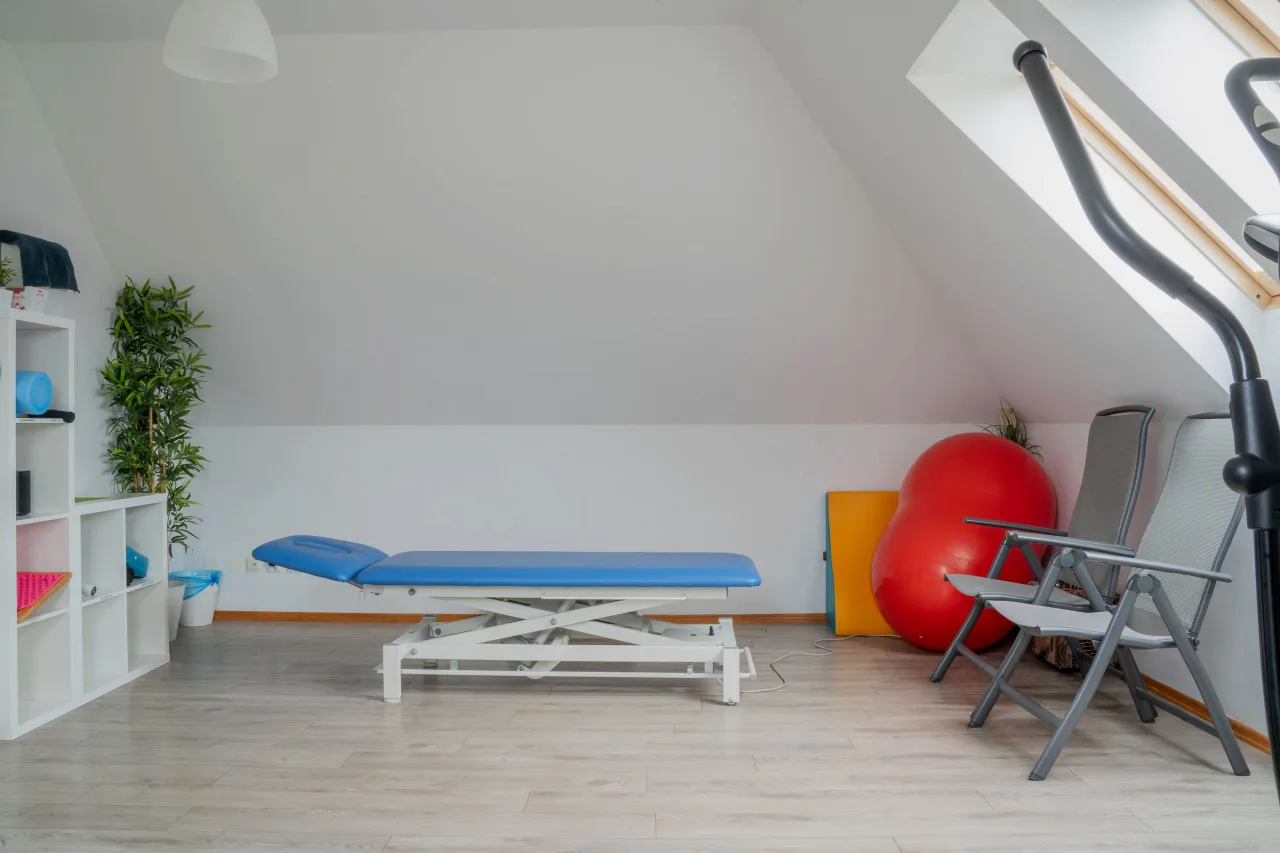
Neurological physiotherapy
Intensive motor rehabilitation that helps patients regain lost movement functions, including the motor skills of the lower and upper limbs.
Speech therapy and communication
Specialist neuro-speech therapy, including treatment of aphasia, dysarthria and dysphagia — delivered by a certified speech therapist.
Cognitive rehabilitation
Therapy for cognitive functions: memory, concentration, attention, orientation and planning.
General information
Key features of our rehabilitation stays
Below we present selected features that are characteristic of the rehabilitation stays we deliver. The therapy plan is always tailored individually to the patient’s condition and abilities at the time of arrival at the centre. If you are wondering about the length of the process, it is worth knowing how long rehabilitation after a stroke takes.
How we work during the stay
Intensively, safely and always 1:1
Every day of the stay involves individual therapeutic work led by a team of specialists. We combine regaining gait and balance and hand and upper limb function with speech therapy and cognitive therapy. The intensity and choice of procedures are matched to the patient’s current condition, and the therapy plan is adjusted continuously as progress is made.
- Daily motor, speech and cognitive rehabilitation
- Continuous monitoring of the patient’s capacity and safety
- One team leading the entire therapeutic process
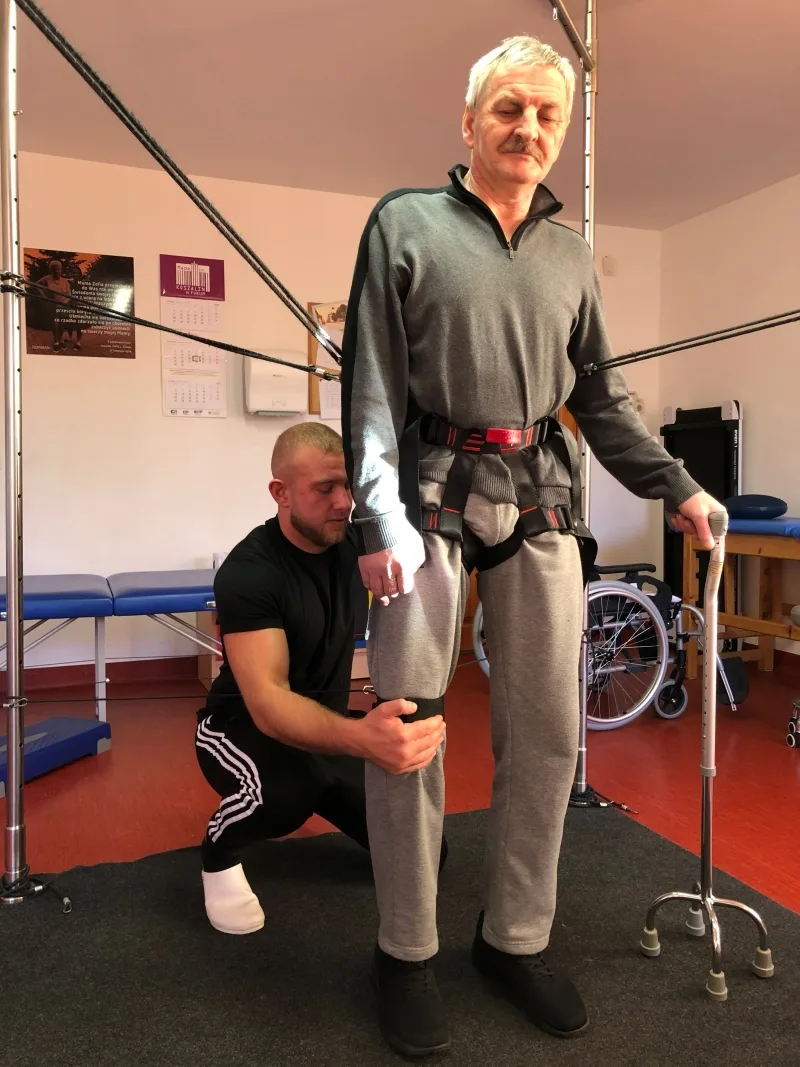
Neurotherapy and cognitive functions
- Educational rehabilitation
- Neurobiological rehabilitation
- Cognitive function training
- Cognitive function therapy
- Attention and concentration therapy
- Memory therapy
- EEG Biofeedback
- RSA Biofeedback
- and others depending on the patient’s needs
Speech therapy and communication therapy
- Speech therapy rehabilitation
- Communication therapy
- Dysphagia therapy
- Orofacial stimulation
- Oral cavity therapy
- Facial temperature stimulation
- Speech-therapy massage
- Speech-therapy kinesiotaping
- Breathing therapies
- and others depending on the patient’s needs
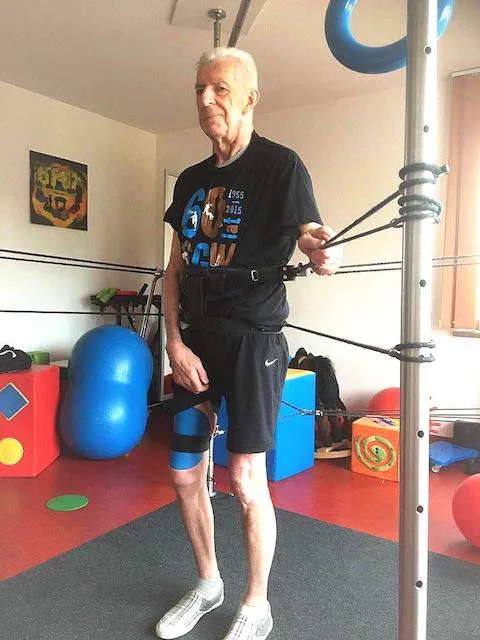
How the stay is organised
- 4–5 specialists for a single patient
- A programme tailored to the patient’s needs
- A programme adapted to the patient’s physical capacity
- All sessions are one-to-one
- Our own home kitchen
- The homely atmosphere and character of the centre
- A guarantee of world-class therapy
Neurological and motor rehabilitation
- Neurological rehabilitation
- Rehabilitation using the NDT method
- Rehabilitation using the PNF method
- Manual therapy
- Therapeutic and medical massage
- Electrostimulation
- Dynamic taping
- Fine motor skills of the upper limb
- Gross motor skills of the upper limb
- and others depending on the patient’s needs
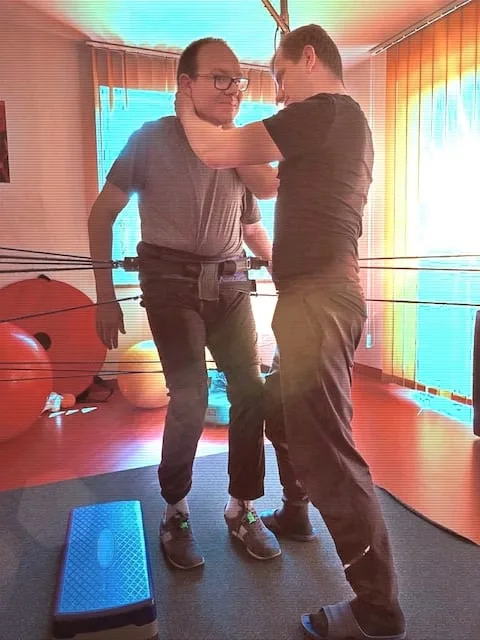
Indications
Who is this rehabilitation stay for?
Choose your condition to go to the information about the stay. Each card leads to a dedicated page with the therapy programme and treatment methods.
Stay and accommodation
A homely atmosphere, not a hospital one
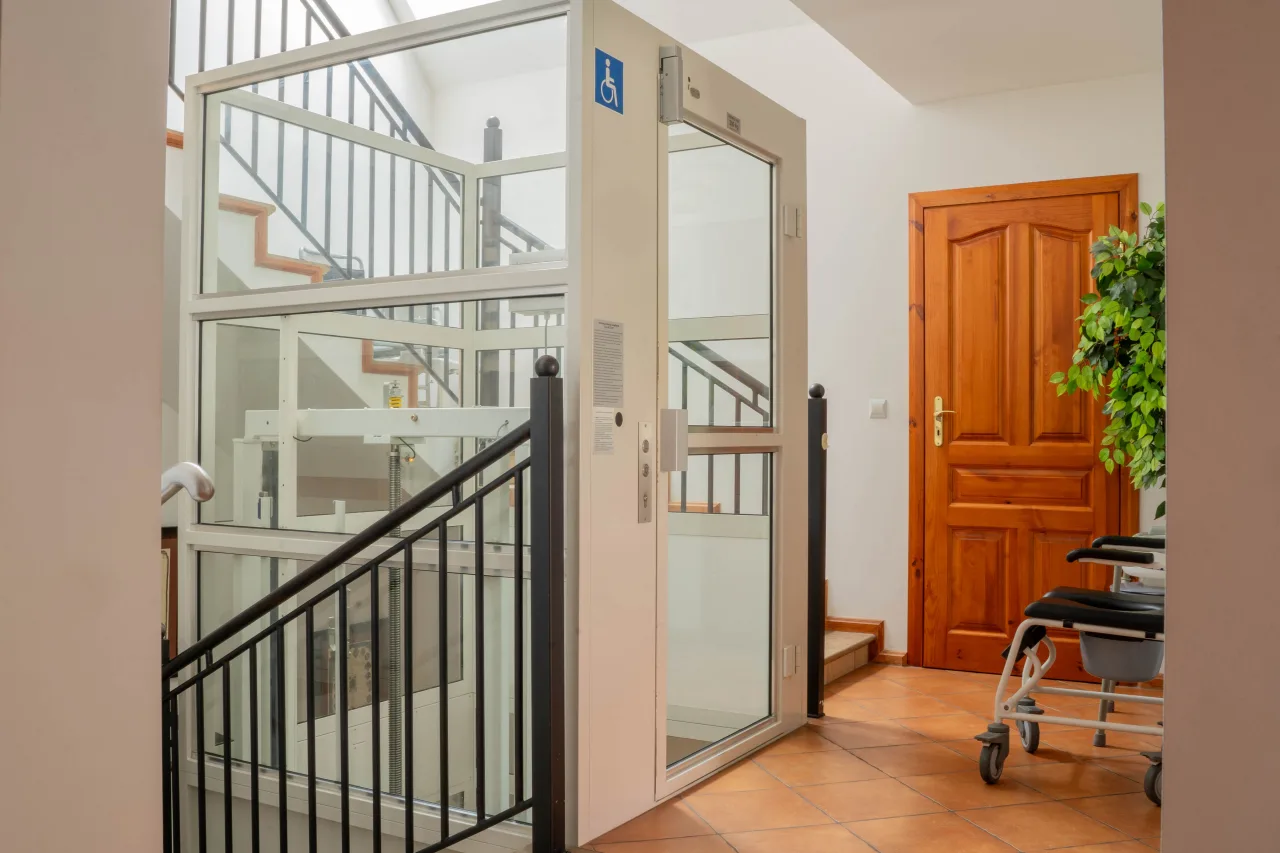
We have created conditions as close to home as possible. Every patient has their own room with a bathroom, which they share with a close relative. This private space provides a sense of security and undisturbed rest after the sessions.
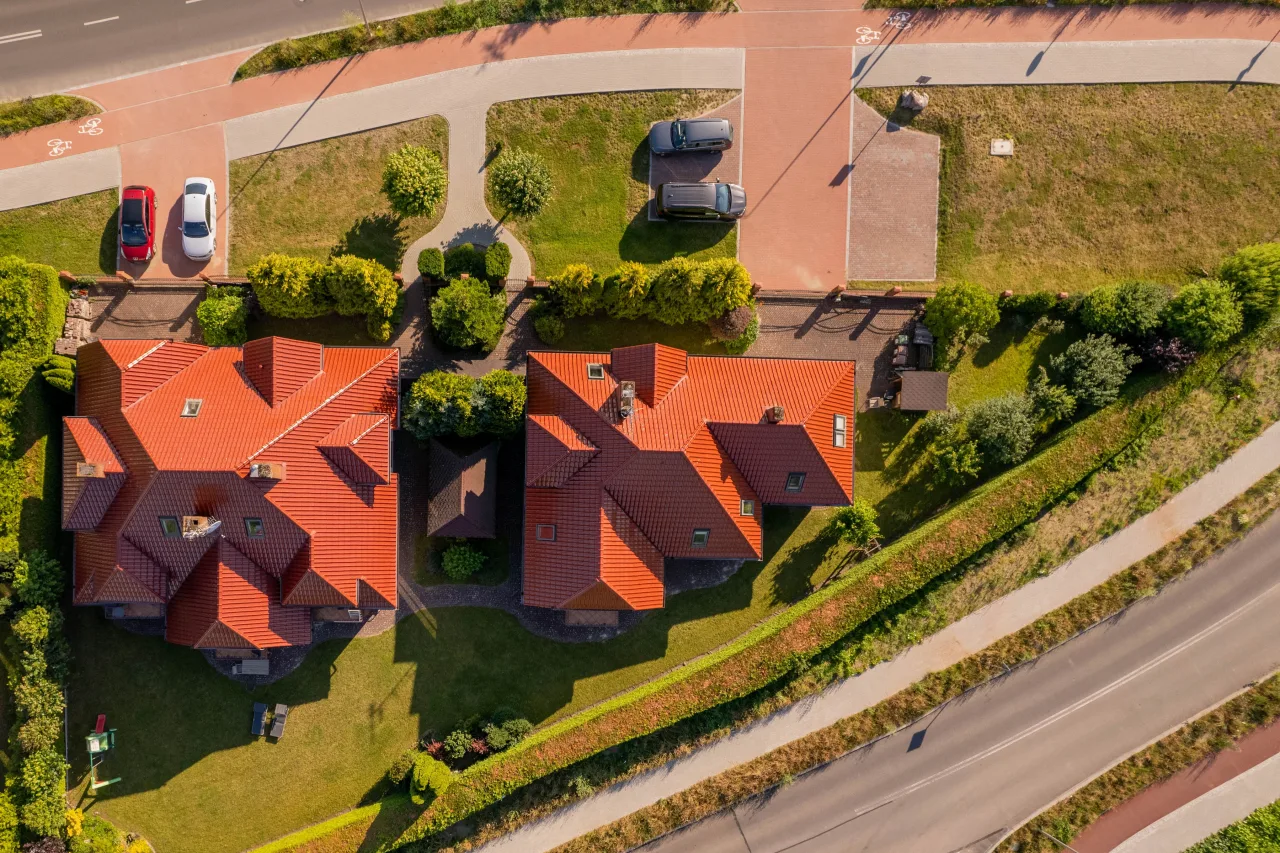
We also run rehabilitation stays with accommodation in apartments outside the centre. These stays offer earlier dates and a lower price.
- A private room with a bathroom for the patient and carer
- Television and internet, an electrically adjustable bed
- Meals freshly prepared at the centre (3 a day)
- Medical transport — stretcher and wheelchair — from anywhere in Poland
For many patients and their families, we are the first choice.
Watch the video to see why.
“The best place for rehabilitation after a stroke. A wonderful atmosphere that motivates you to exercise, created by a team of professional and warm-hearted physiotherapists. After two rehabilitation stays, the patient made incredible progress and regained her independence. Highly recommended.”
Anna Ulicka
Google review
“After a long search, we found the NORMAN Centre. Following a severe stroke and paralysis, my mother was bedbound. Within a few days she began to sit up on her own, within a week she was moving across to a wheelchair, and she can now stand with support. Thank you to the whole team for their tremendous effort, empathy and help. We recommend them one hundred per cent.”
Katarzyna G.
Google review
“The therapists are of a very high standard, the centre is perfectly organised, the home-cooked food is delicious, the owner is present and helpful, and the atmosphere is like family. I recommend it with a clear conscience.”
Andrzej Klamt
Google review
Frequently asked questions
Questions? We have answers
Patients after a stroke who are not independent always come to our centre accompanied by a close relative acting as a carer. Relatives can also take part in the rehabilitation sessions, observing them and learning approaches that may prove useful once back at home.
Unlike most private rehabilitation centres, we also work with bedridden patients. We try to give a chance to everyone who has no contraindications to physical rehabilitation. Our experience shows that in 90% of cases bedridden patients see a significant improvement in their health.
The chances are high, though this is very individual and depends on a great many factors. We do not disqualify patients based on the extent of the stroke — we work both with bedridden patients and with those who can move independently.
The standard schedule is 5×45 minutes a day of individual rehabilitation only. Sessions take place with breaks, and the effort is dosed so that its level always stays within the patient’s capabilities. We work in the same way with patients who have cardiac conditions. Thanks to a minimum of 5 therapeutic units a day, we are able to achieve a therapeutic effect without overloading the patient.
The state of health indicated by the medical records very often differs from the condition we see once the patient arrives at the centre. That is why the only thing you decide on at the time of booking is the length of the rehabilitation stay. Every patient is assessed for their current motor abilities and needs. Usually, after the first 2 sessions we know which procedures to apply — at that point we present the therapeutic goals and the therapy plan.
The rehabilitation stay is privately funded. Co-funding may be available from PFRON, MOPS or non-governmental organisations and foundations. We are happy to advise on the formalities — call us and we will let you know about the current options.
The next step
Let's talk
We are here to answer any questions you may have about the rehabilitation process.
Describe your case
Send us the details of the patient's condition and we will assess them from a therapeutic perspective.
Email consultation
Write to us describing the condition and the patient's current state of health. We will reply with our view of your situation in the context of rehabilitation.
Video of the patient
You can send us a video showing the patient's current condition. We will respond to your situation and explain the therapeutic options available.