 NORMAN — specialised neurological rehabilitation for 30 years.
Rehabilitation after stroke
Specialist rehabilitation after stroke - residential or outpatient
Therapy results
What patients say about us
Specialist rehabilitation after stroke
Specialist rehabilitation after stroke - residential or outpatient
At the Norman neurological rehabilitation centre we deliver specialist rehabilitation after stroke, in both a residential and an outpatient format. We rehabilitate patients in a wide range of health states: people who are bedbound, those who need a lot of help, as well as patients who are able to move independently.
We do not turn patients away on the grounds of the extent of the stroke or the level of difficulty of the rehabilitation. We are prepared, both technically and clinically, to guide a patient through the entire process of recovery, from being bedbound to leaving the centre on their own two feet, working in parallel on verticalisation, gait, communication and greater independence.
We also take on difficult cases that are sometimes turned away by other facilities. Our more than 30 years of experience allow us to work with people after extensive strokes, those who are enterally fed (PEG), with dysphagia, aphasia, dysarthria and cognitive deficits, patients with catheters, with epilepsy and with coexisting conditions. The methodology we have developed over three decades of working with higher-risk patients enables us to work effectively and, above all, safely.
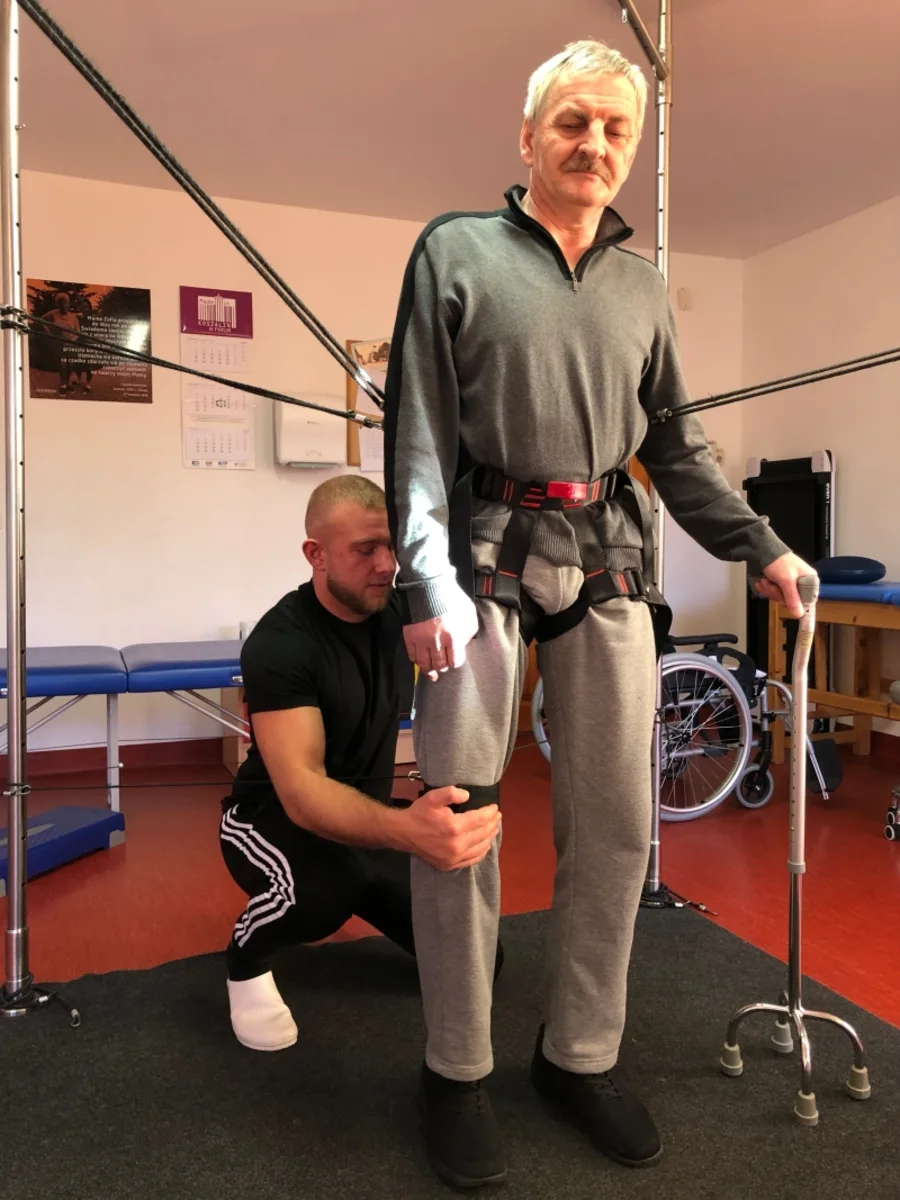
The foundations of rehabilitation
What matters in rehabilitation after a stroke?
Four elements that have a decisive impact on the outcomes of rehabilitation after a stroke.
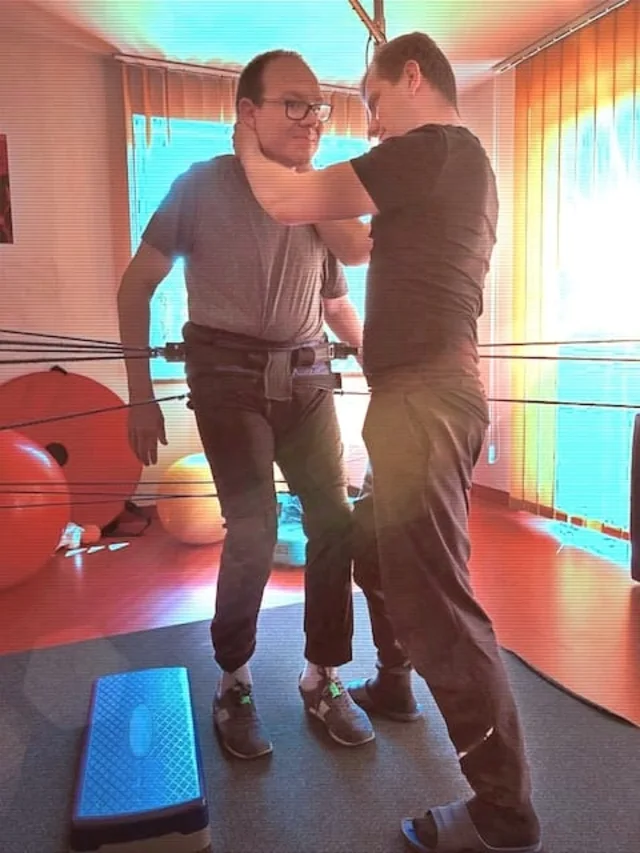
The patient's potential
Every patient has a certain rehabilitation potential. Our aim is to deliver rehabilitation precise enough to make the fullest possible use of the patient's capacity to recover after a stroke.
The patient's motivation
Many people after a stroke, for a variety of reasons, lack the motivation to exercise. Thanks to the methods we have developed and the right approach, the rehabilitation process runs smoothly.
The patient's safety
Intensive rehabilitation over a large number of hours is highly effective. What is crucial for rehabilitation outcomes is matching the physical effort to the patient's abilities. Our programmes combine high intensity with the greatest possible safety.
The therapeutic approach
The most important factor in rehabilitation outcomes is choosing the right methods and following the correct therapeutic approach. Once we begin working with a patient, we analyse how effective the therapeutic plan is and adjust it in order to achieve the goals we have set.
The Norman centre
The distinctive features of rehabilitation after a stroke at the Norman centre
Rehabilitation after a stroke is delivered individually for each patient. In the residential format we work over a large number of hours, paying particular attention to the patient's current state of health and physical capacity.
4-5
qualified therapists per patient
The chances of effective rehabilitation after a stroke rise considerably when a patient is cared for by a team of complementary specialists.
1-to-1
working with the patient
Complete focus on a single patient throughout every rehabilitation session.
PAJĄK
rehabilitation on the device
Safe rehabilitation for patients with coexisting conditions and a significant acceleration of rehabilitation outcomes. This procedure carries an additional charge.
54–108
individual sessions
A guarantee of a large amount of professional rehabilitation after a stroke within 2, 3 and 4-week rehabilitation stays.
Plan
individual rehabilitation plan
Every patient who has had a stroke has different needs, which is why each rehabilitation plan is created from scratch.
Atmosphere
intensive work, but with a homely atmosphere
The absence of a hospital feel means that patients feel comfortable and rehabilitation runs more smoothly.
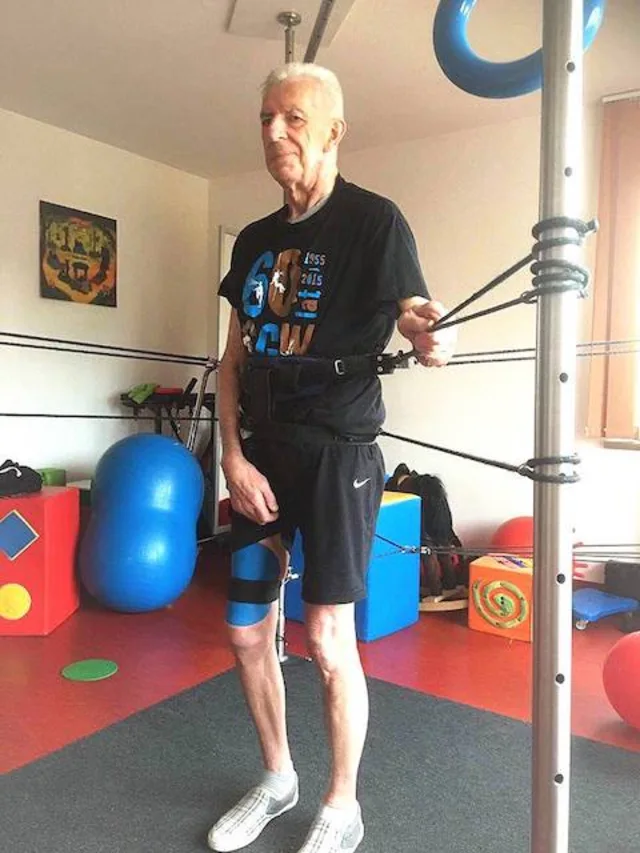
Areas of therapy
Examples of the deficits we rehabilitate
At the Norman neurological rehabilitation centre we focus on many therapeutic areas, taking into account the patient's current state of health and their needs at the moment they begin rehabilitation after a stroke.
Our therapeutic programmes address both motor deficits and communication and cognitive disorders. The scope of the team's work very often goes beyond the standard rehabilitation process, especially when a stroke is accompanied by coexisting conditions.
In the motor field, we work with disorders such as the following
- partial muscle weakness leading to reduced muscle strength (paresis)
- complete paralysis, that is, a total loss of the ability to move in particular areas of the body (plegia)
- partial muscle weakness on one side of the body, right or left (hemiparesis)
- complete paralysis of one side of the body, including the face, arm and leg (hemiplegia)
- disorders of coordination and body balance
- muscle stiffness (spasticity)
- gait disorders
- difficulty with precise movements of the hand and fingers
In the field of speech disorders
- difficulty speaking (aphasia)
- difficulty understanding what is said (aphasia)
- difficulty reading after a stroke
- difficulty writing after a stroke
- difficulty articulating words (dysarthria)
- swallowing disorders (dysphagia)
In the field of cognitive disorders
- memory disorders
- attention disorders
- concentration disorders
- perception disorders
- dementia
- planning disorders
- disorders of organising activities
- difficulty solving problems
These are only examples of the deficits we work on with our patients. When planning the therapeutic process, we take into account not only the stroke itself but the whole range of coexisting conditions, including cardiological conditions. This is why every patient requires a comprehensive and highly individualised approach.
Our signature method
The PAJĄK device – safe rehabilitation after stroke
A haemorrhagic stroke, an ischaemic stroke and accompanying conditions such as hemiparesis, ataxia, and disorders of memory, coordination and balance require attentive, consistent and professional rehabilitation. Unskilled rehabilitation after a stroke — for example, exercising only the affected side — can cause numerous complications, up to and including triggering epileptic seizures, which is why the safety of the therapy is one of our key priorities.
Stroke very often affects people who also have additional conditions, such as atherosclerosis, ischaemic heart disease, cardiorespiratory insufficiency or high blood pressure, which require pharmacological treatment and influence how rehabilitation is delivered. Thanks to precise rehabilitation and, among other tools, the PAJĄK device, we can dose the loads so that undesirable general reactions — such as a rise in blood pressure or a worsening of the symptoms of cardiorespiratory insufficiency — do not occur. This makes the exercises safer, because they do not require a great deal of physical effort from the patient.
Why is this method important for patients after a stroke?
- the exercises are safer for patients with coexisting conditions
- physical effort can be dosed very precisely
- asymmetric attachments support improvements in deep sensation and the “awareness” of the affected side
- the method helps deliver rehabilitation from very severe states through to more functional movement
* PAJĄK rehabilitation is available as an additional procedure.
The PAJĄK device has been described, among others, by the US National Library of Medicine: see the publication
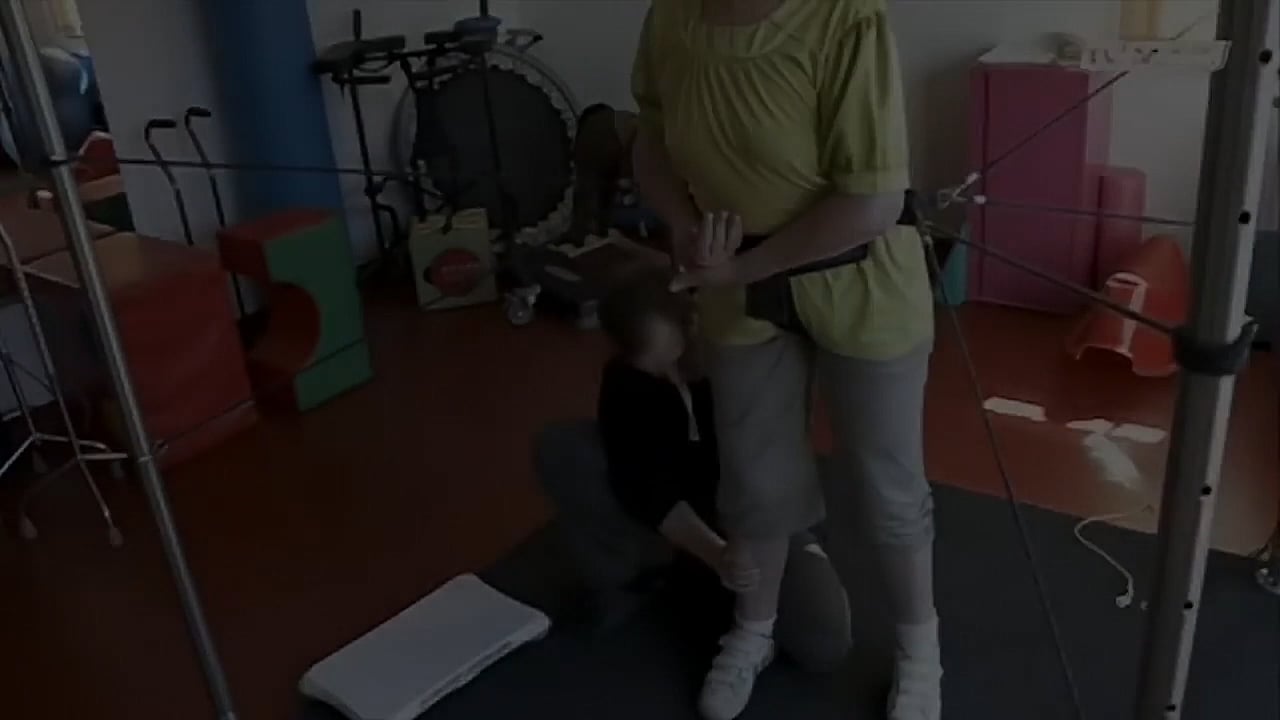
Rehabilitation on the PAJĄK device
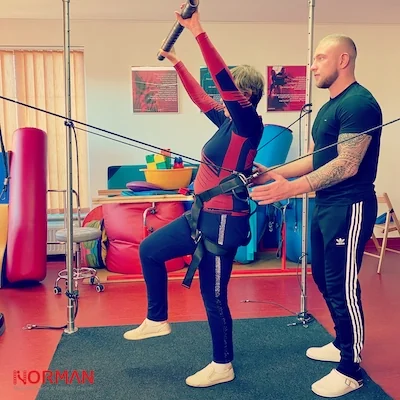
Gait rehabilitation after stroke
Gait disorders are one of the most common consequences of a stroke. At the Norman centre we work on restoring a normal gait pattern and balance, guiding the patient towards greater independence.
What can you expect?
- Rehabilitation to support standing up and sitting down independently
- Therapy for walking without equipment or with less assistance
- Work on improving balance and movement coordination
- Rehabilitation focused on verticalisation for patients who are not yet walking
- Exercises to support postural control and trunk stability
- Transfer training, for example moving from bed to wheelchair and back
This is general information. The type of therapy, its scope and pace always depend on the deficits and the current state of health of the individual patient.
See the results of therapy
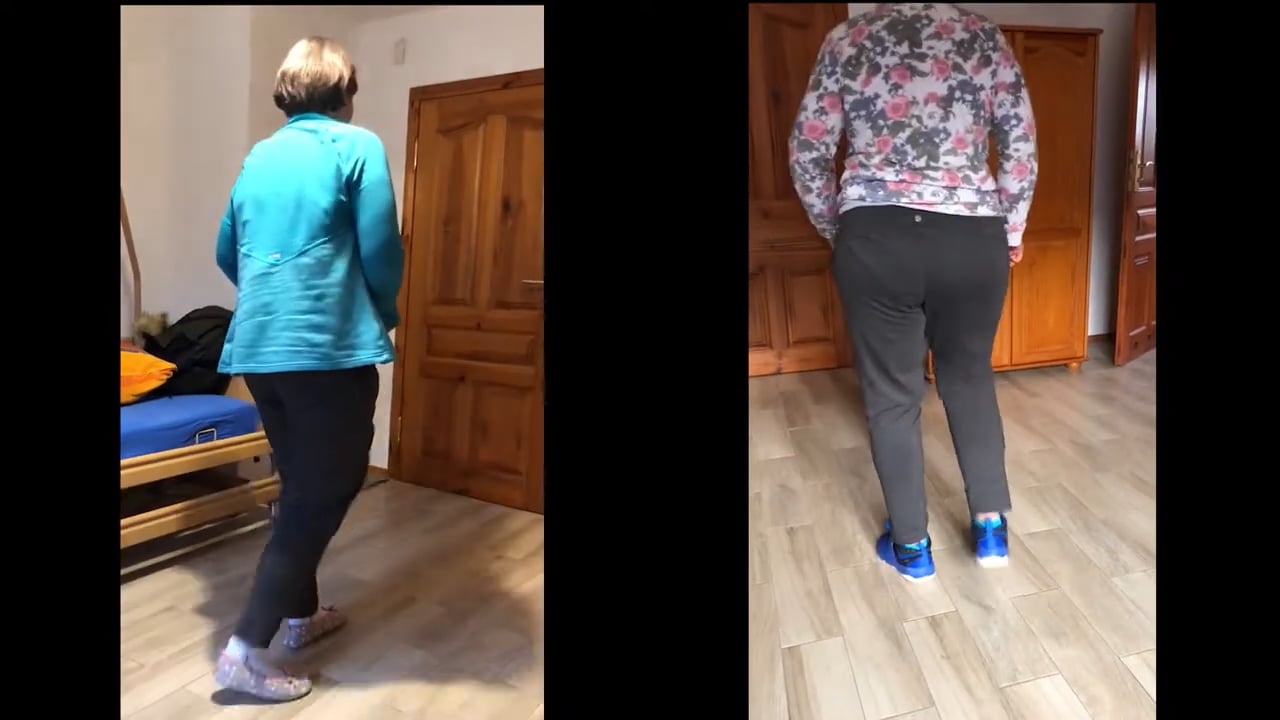
Gait re-education after stroke — 2 weeks of rehabilitation
Results of intensive gait therapy at the Norman centre
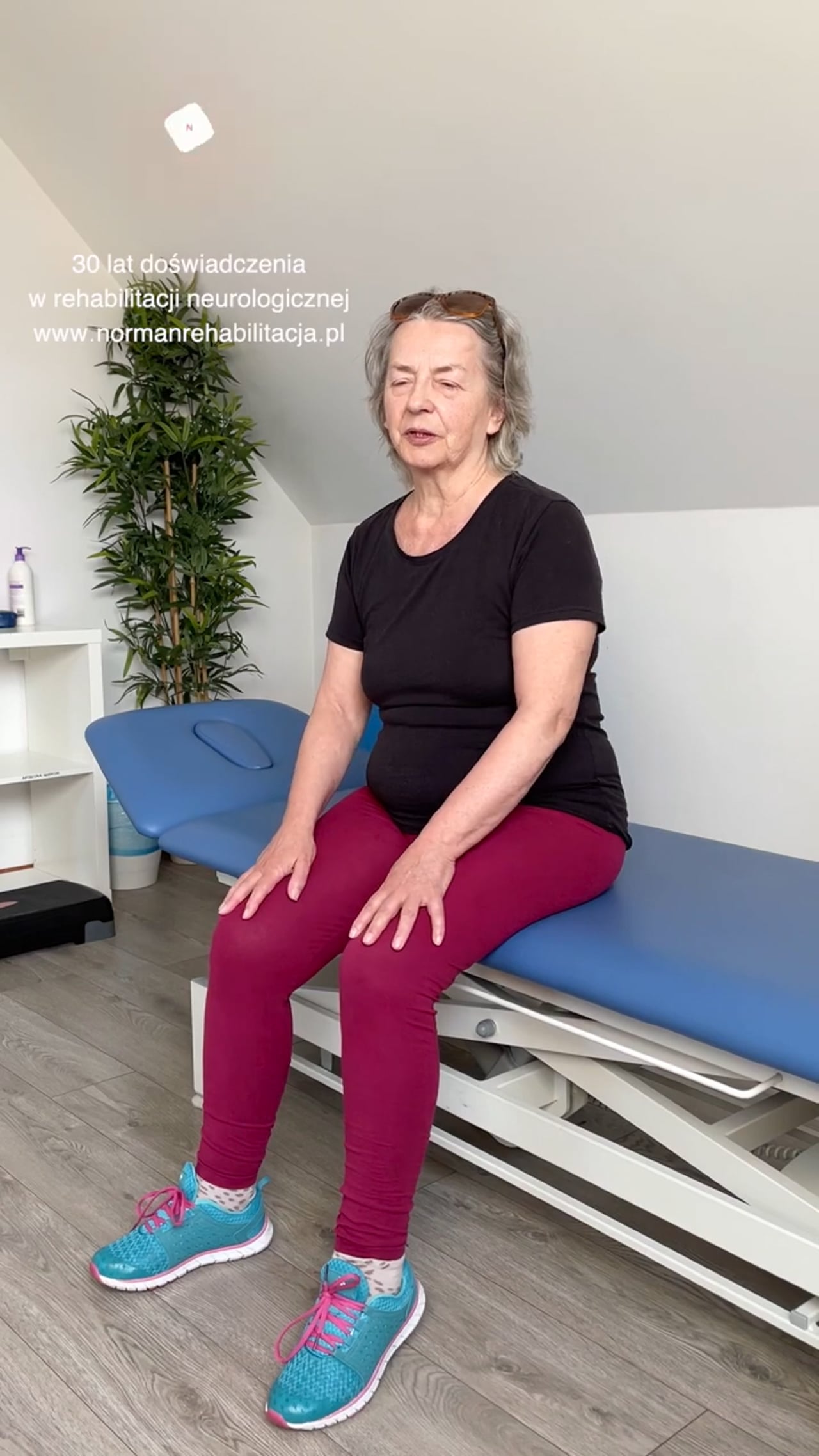
Stroke — from bedbound to running
Remarkable results of neurological rehabilitation
Results of rehabilitation on the PAJĄK device after stroke
Ischaemic stroke — therapy with the PAJĄK device at Norman
Hand rehabilitation after stroke
Upper limb paresis — from a weakened grip to complete plegia — considerably reduces independence. At the Norman centre we deliver intensive rehabilitation of the hand and upper limb after stroke using NDT-Bobath therapy, PNF and the PABLO device.
What can you expect?
- Work on improving grip and hand control
- Therapy to support eating and drinking with greater independence
- Functional exercises, including fastening buttons and getting dressed
- Work on improving superficial sensation in the hand
- Exercises to improve the precision of hand and finger movements
- Training in everyday activities carried out using the upper limb
This is general information. The type of therapy, its scope and pace always depend on the deficits and the current state of health of the individual patient.
See the results of therapy
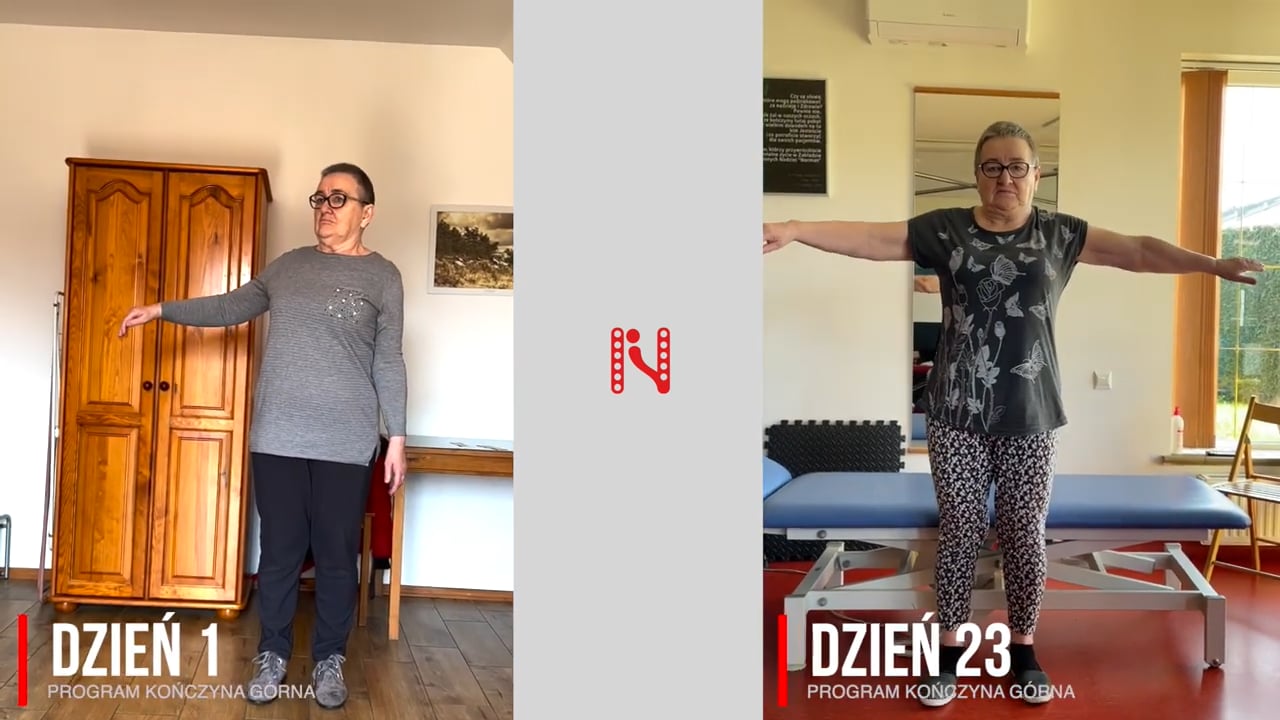
Hand rehabilitation after stroke
Results of upper limb therapy at the Norman centre
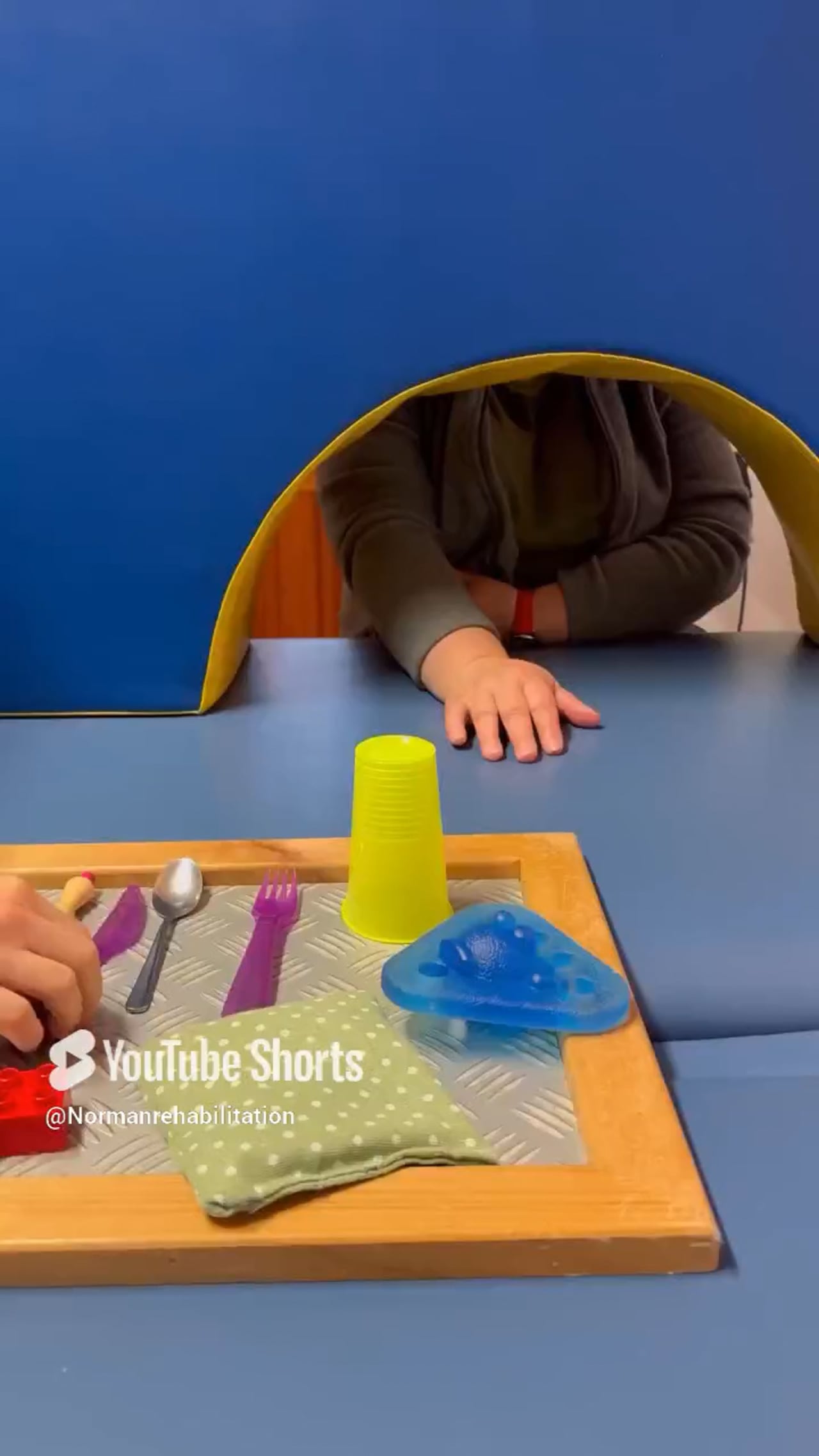
Superficial sensation stimulation
A technique for working with the upper limb after stroke
Hand rehabilitation after stroke — results of the exercises
Upper limb exercises and rehabilitation outcomes
Speech rehabilitation after stroke
We deliver speech rehabilitation after stroke for patients with expressive, motor, impressive and sensory aphasia, as well as mixed (sensorimotor) aphasia. We also rehabilitate dysarthria and dysphagia (swallowing disorders). In addition, we provide neuro-speech rehabilitation for patients with a PEG tube and a tracheostomy tube.
What can you expect?
- Therapy to support communicating basic needs
- Exercises to improve understanding and forming sentences
- Work on clearer articulation and breath control
- Swallowing training in the case of dysphagia
This is general information. The type of therapy, its scope and pace always depend on the deficits and the current state of health of the individual patient.
Rehabilitation of cognitive functions after stroke
For patients with cognitive disorders — such as concentration disorders, memory disorders, dementia and perception disorders — we provide neuro-speech rehabilitation. Executive function disorders (planning, organisation, problem solving) often go hand in hand with motor deficits and call for a comprehensive approach.
What can you expect?
- Concentration and attention exercises
- Rehabilitation of memory disorders
- Training in planning, organisation and problem solving
- Work on orientation and understanding everyday situations
This is general information. The type of therapy, its scope and pace always depend on the deficits and the current state of health of the individual patient.
What stage are you at?
We accept patients at different stages of the rehabilitation process — after discharge from a neurology ward, after discharge from a neurological rehabilitation ward, staying in care facilities such as long-term care homes, as well as patients who are already at home or many years after a stroke.
After a stay in hospital
This is often the best time to start planning further rehabilitation. The sooner we begin the work, the better we can make use of the time after a stroke.
- Remember to gather the medical records that will be needed at a later stage of rehabilitation
After a rehabilitation ward
You most likely already know how important consistency and good organisation of therapy are. At the Norman centre we work intensively, with a settled team and on a 1-to-1 basis.
- At the rehabilitation centre we work over a larger amount of time, in order to achieve the results of therapy more quickly.
After returning home
After returning home, progress often slows down. A specialist rehabilitation stay can help you get back to regular and intensive work.
- Neurological rehabilitation can bring results both shortly after the event and many years after a stroke.
Patient stories
The results of rehabilitation after stroke
Patient stories and the results of therapy delivered at the Norman centre.
Gait re-education after stroke — 2 weeks of rehabilitation
Results of intensive gait therapy at the Norman centre
Stroke — from bedbound to running
Remarkable results of neurological rehabilitation
Results of rehabilitation on the PAJĄK device after stroke
Ischaemic stroke — therapy with the PAJĄK device at Norman
Hand rehabilitation after stroke
Results of upper limb therapy at the Norman centre
Superficial sensation stimulation
A technique for working with the upper limb after stroke
Hand rehabilitation after stroke — results of the exercises
Upper limb exercises and rehabilitation outcomes
Psychological support
The psychological aspects of rehabilitation after stroke
Most patients who have had a stroke experience emotional difficulties. These vary depending on the area of the brain that has been damaged — this applies both to people after ischaemia of the left or right hemisphere and to those after intracerebral haemorrhages.
Emotions after a stroke
Psychological problems often arise from an awareness of the situation the person finds themselves in after a stroke. These can include depression, sadness, fear, anxiety, frustration, disbelief and a sense of helplessness.
A lack of motivation to exercise
A lack of motivation and of the will to keep going is one of the most common problems in post-stroke rehabilitation. Thanks to the methods we have developed and the right approach, the rehabilitation process runs smoothly.
How we work
The rehabilitation programmes at the Norman centre take the patient's psychological state into account. We know how to work with people who are “resistant” to rehabilitation. In 99% of cases we manage to build an understanding with the patient, which opens the door to an effective rehabilitation process.
Therapy plan
The plan and scope of rehabilitation after a stroke
Rehabilitation after a stroke at the Norman neurological rehabilitation centre is delivered individually for each patient. The patient is observed by the therapeutic team so that the rehabilitation can be tailored as closely as possible, after which a precise plan and scope of exercises are established.
At any one time, no more than a dozen or so patients stay at the centre, which allows us to give each person in our care the greatest possible attention. We focus on the quality and effectiveness of therapy, not on the number of patients.
We offer a new path and a new way for our patients and their loved ones to regain their independence.
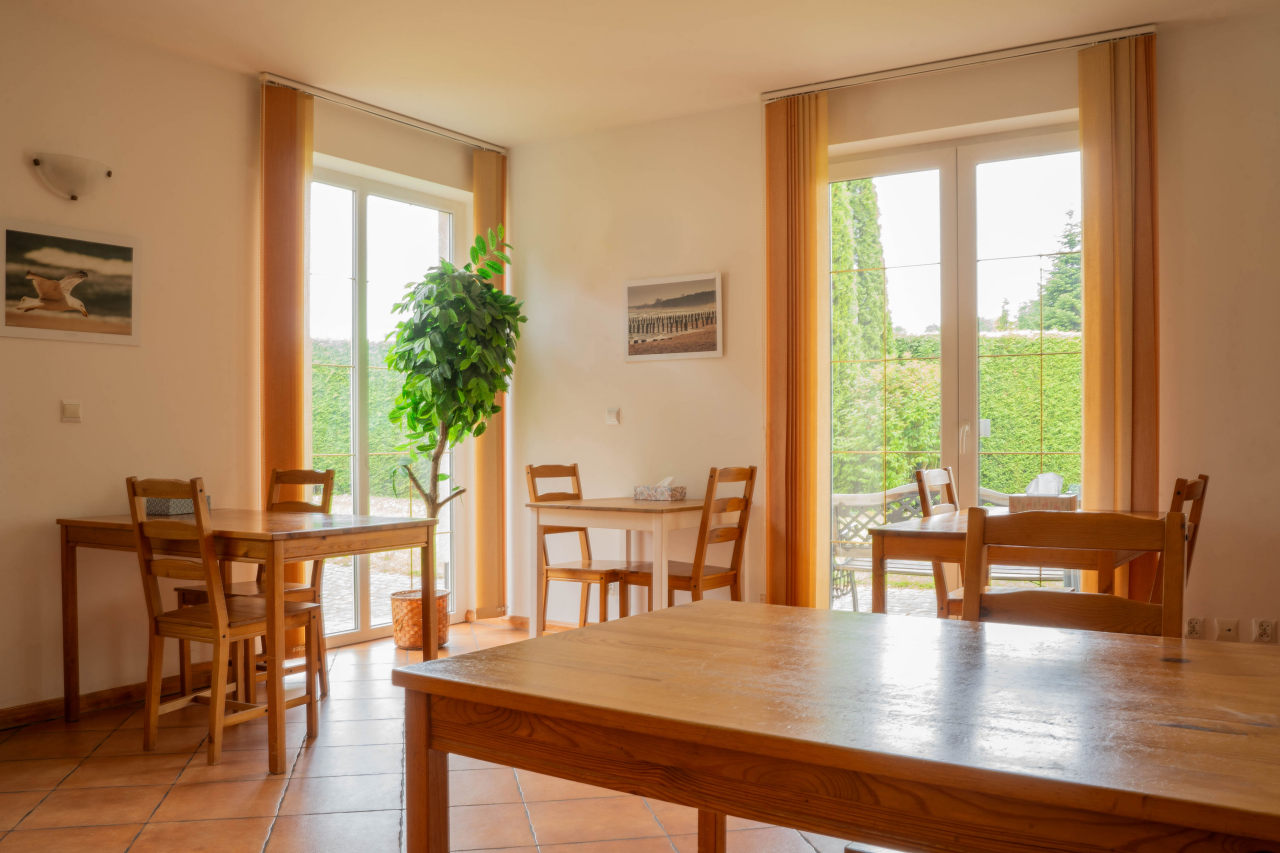
Stay and accommodation
Your stay during rehabilitation after a stroke: a homely atmosphere, not a hospital one
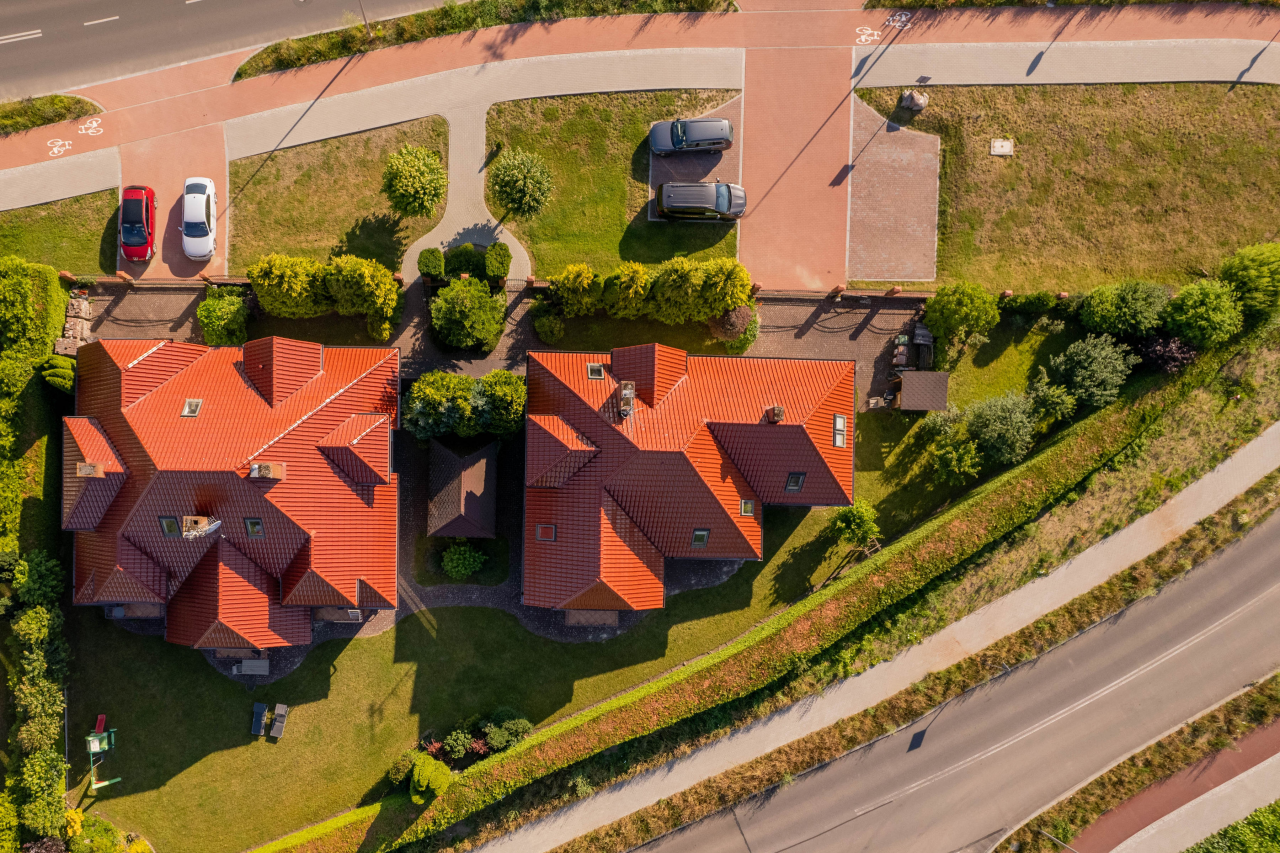
We want patients and their loved ones to feel comfortable at our centre, which is why we have created conditions as close to home as possible. The kind atmosphere and the relationships between patients, and between patients and the centre's staff, also play a large part in this. Every patient receives their own room with a bathroom, which they share with their loved one. This private space provides a sense of security and undisturbed rest after the sessions. Every room has television and internet access.
The rooms are located on the ground floor and on the first floor, which can be reached by lift. All of them are equipped with a specialist bed for the patient, electrically adjustable in several planes. The residential building also has a large lounge, a dining room and a kitchen, where we prepare fresh breakfasts, lunches and dinners every day.
We also run rehabilitation stays with accommodation in apartments outside the centre. Some of the apartments are accessible for wheelchair users. This type of stay offers earlier dates and a lower price, as it is possible to opt out of the meals. The apartments are located between 800 metres and 3 km from the centre, and for the more distant locations daily transport can be arranged.
- A private room with a bathroom for the patient and their carer
- Rooms on the ground and first floors, also accessible by lift
- An electrically adjustable bed, television and internet in every room
- A large lounge, dining room and kitchen with fresh meals prepared daily
- More than a dozen comfortable apartments for people who walk and for wheelchair users
- The option of daily transport to the centre for the more distant apartments
For many patients and their families, we are the first choice.
Watch the video to see why.
“The best place for rehabilitation after a stroke. A wonderful atmosphere that motivates you to exercise, created by a team of professional and warm-hearted physiotherapists. After two rehabilitation stays, the patient made incredible progress and regained her independence. Highly recommended.”
Anna Ulicka
Google review
“After a long search, we found the NORMAN Centre. Following a severe stroke and paralysis, my mother was bedbound. Within a few days she began to sit up on her own, within a week she was moving across to a wheelchair, and she can now stand with support. Thank you to the whole team for their tremendous effort, empathy and help. We recommend them one hundred per cent.”
Katarzyna G.
Google review
“The therapists are of a very high standard, the centre is perfectly organised, the home-cooked food is delicious, the owner is present and helpful, and the atmosphere is like family. I recommend it with a clear conscience.”
Andrzej Klamt
Google review
Frequently asked questions
Have questions? We have answers
Patients after a stroke who are not independent always come to our centre accompanied by a loved one in the role of carer. Loved ones, or the patients' carers, can also take part in the rehabilitation sessions, observing them and often learning approaches that may prove useful once the patient returns home.
Unlike most private rehabilitation centres, we also work with bedbound patients. We try to give a chance to everyone who has no contraindications to physical rehabilitation. Our experience shows that in 90% of cases bedbound patients experience a significant improvement in their state of health.
The chances are good, although this is very individual and depends on a huge number of factors, which we discuss in more detail in our article How long does rehabilitation after a stroke take?.
The basic number of hours of rehabilitation at our centre is 5×45 minutes a day of individual rehabilitation only. Sessions take place with breaks, and the effort is dosed in such a way that its level always stays within the patient's capabilities. We work in exactly the same way with patients who have cardiological conditions, where great care must be taken, for example, to monitor rises in blood pressure. Thanks to a minimum of 5 therapeutic units a day, we are able to plan the medical procedures so as to achieve a therapeutic effect without overexerting the patient.
It very often happens that the patient's state of health as described in their medical records and the state of health we see when the patient arrives at the centre are completely different. This is why the only thing you decide on when booking a rehabilitation stay is its length. At the start of the stay, every patient is assessed for their current motor abilities and needs. Usually, after the first 2 sessions, we already know which procedures we need to apply in a particular case. We then present you with the therapeutic goals we want to achieve, the therapy plan and the procedures we will use.
Descriptions of some cases of patients after a stroke — including the diagnosis, functional status and the course of rehabilitation — are available at the link below.
See patient case studiesStay configurator
Check the price of your programme
Choose the duration, accommodation and meals — you will see the price of your configuration in the booking form.
Choose your rehabilitation programme
Pick the plan closest to your needs — you'll see the price in the next steps.
The next step
Let's talk
We are here to answer any questions you may have about the rehabilitation process.
Describe your case
Send us the details of the patient's condition and we will assess them from a therapeutic perspective.
Email consultation
Write to us describing the condition and the patient's current state of health. We will reply with our view of your situation in the context of rehabilitation.
Video of the patient
You can send us a video showing the patient's current condition. We will respond to your situation and explain the therapeutic options available.