Mistakes made by patients and carers during stroke rehabilitation.
Karolina Łozińska
MSc
Therapy results
What patients say about us
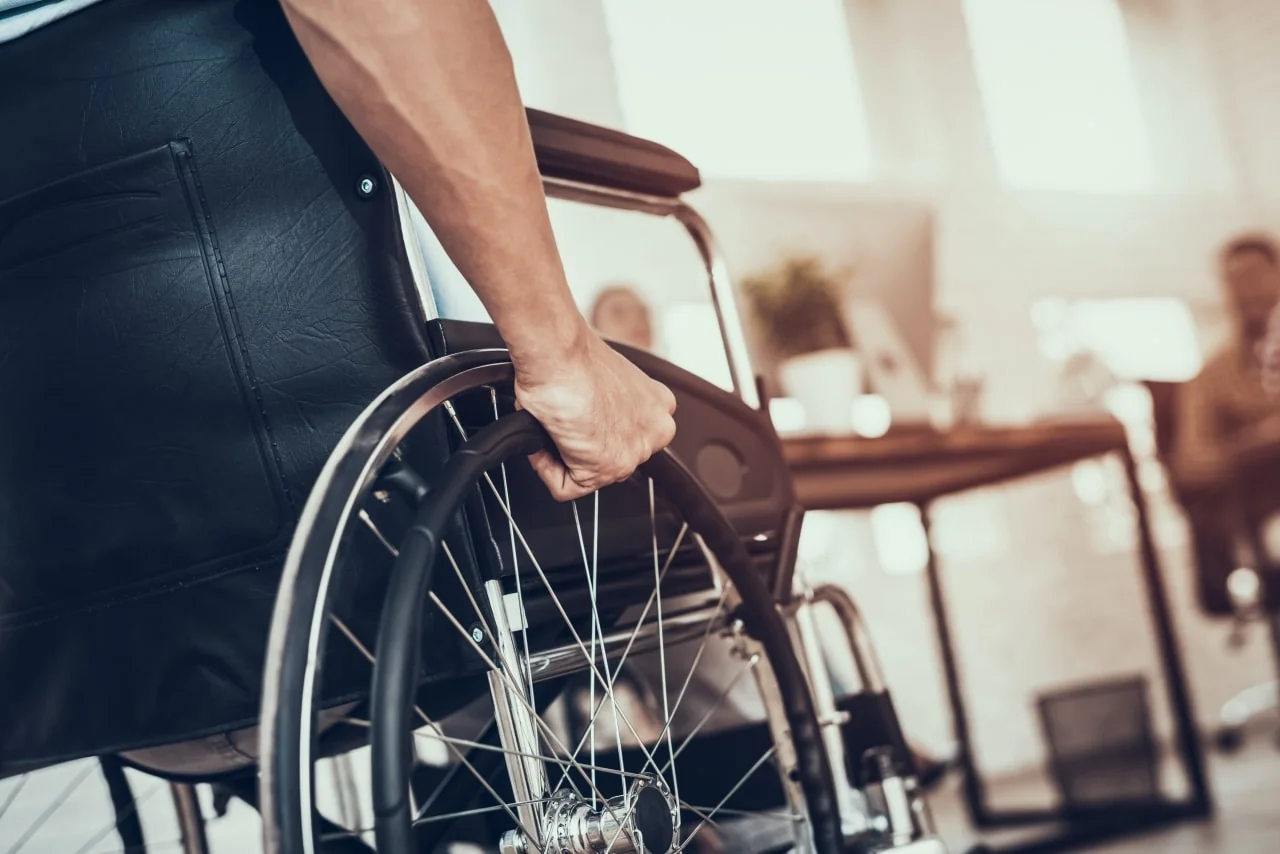
Stroke: an illness, a sentence, the end of a normal life. These are the words a therapist most often hears during therapy from a family affected by a neurological condition. Patients beginning post-stroke rehabilitation expect the effects of the stroke to disappear quickly, painlessly and after the very first session. That, however, is not how it works. Recovery after a stroke is a process full not only of successes, but also of mistakes made by patients and therapists that can make it take longer. Below I will try to list the most important of them.
Mistake 1: Rehabilitation only happens during sessions with the physiotherapist
Rehabilitation goes on all the time. Every task a patient carries out independently is part of learning to become self-sufficient again after a stroke. From the very first days after a stroke, you need to keep the affected side in mind and move it as often as possible.
Mistake 2: Resting after a session means lying in bed without moving
Rest during intensive neurological therapy does not mean doing nothing. Above all it means sleep, a suitable diet and recovery. Lying still all the time encourages passivity. Outside sessions too, the patient should change position and the nervous system should be stimulated to activate the unused parts of the brain.
Mistake 3: Giving up after failing to complete an exercise
This is one of the most common mistakes. A failed first attempt does not mean the task is impossible. In neurological therapy, what matters is determination, repeated attempts and looking closely at the quality of movement — not backing out quickly after the first setback.
Mistake 4: Constantly holding the affected arm against the body
Holding the affected arm too tightly with the healthy hand limits its natural involvement in movement, which can become a problem in hand rehabilitation after a stroke. Apart from situations that call for special protection of the shoulder, the limb should be encouraged towards independence and allowed to take an active part in exercises and everyday movement.
Mistake 5: Treating the affected side as if it did not exist
Patients often stop using the affected side because it is easier for them to function in an abnormal movement pattern. This is a mistake. Well-directed therapy shows that every function regained on the affected side improves the efficiency of movement and brings the patient closer to a more natural way of functioning.
Mistake 6: Repeating an exercise 100 times after a session to recover faster
The nervous system needs stimulation, but an excess of random repetitions does not speed up recovery. If anything, it can lead to fatigue and loss of motivation. It is better to perform fewer movements consciously and precisely than a great many without any control over their quality.
Mistake 7: Not using the affected hand during everyday activities
The hand should be stimulated not only during therapy sessions, but also while eating, getting dressed, working at the computer and doing household tasks. Many patients wonder when hand function will return after a stroke, and even small attempts to bring it back into daily life are part of therapy.
Mistake 8: Walking quickly and paying no attention to the quality of gait
After a stroke you need to slow down and consciously watch how you place each step, because gait and balance disorders are among the common consequences of a stroke. If one leg has a deficit, you should pay particular attention to how it works, including heel contact with the ground and as symmetrical a walking pattern as possible.
Mistake 9: Sitting down carelessly, as if it did not matter
Every movement has therapeutic value. The patient should pay attention to the way they turn over, sit down, stand up and walk. Even sitting down should be done as accurately as possible, with control over the load placed on both buttocks.
Mistake 10: Mindlessly buying one orthosis after another because someone recommended it
Both the patient and the carer should think through recommendations and check whether they make sense. What works for one person is not necessarily right for another. Orthopaedic aids should be chosen thoughtfully and matched to the patient’s real needs.
Mistake 11: Doing exercises quickly, just to get them over with
In neurology, what counts above all is not the quantity but the quality of how an exercise is performed — something worth bearing in mind when you also learn about the most common mistakes made by neurological physiotherapists. Even if a patient does not want to make therapy last longer, they should understand that a correct movement pattern is worth more than rushing through one repetition after another.
Mistake 12: Now that I can walk, I still take the wheelchair everywhere so as not to tire myself out
If a patient can walk during sessions and is being prepared for it by the therapist, it is worth letting them take at least some of their steps outside the treatment room too. Only then does the goal of therapy begin to carry over into real, everyday life.
Read next
Loss of speech after a stroke. Aphasia and the role of the speech therapist in the therapy process.
Aphasia after a stroke is the loss of the ability to understand and produce speech. We explain the types of aphasia, the role of the speech therapist and the directions rehabilitation can take.
Read more →
Can every stroke patient be rehabilitated?
Whether rehabilitation after a stroke is possible depends on the patient’s health, the time since the event and the right choice of therapy. We explain when rehabilitation is possible and how to find the right course of action.
Read more →
When should rehabilitation after a stroke begin?
Early rehabilitation after a stroke usually starts on the neurology ward, but its scope and pace always depend on the patient’s condition and the doctor’s decision.
Read more →
Stroke – brain areas and the effects of brain damage.
The brain is the source of our identity, intellect and emotions. Here is a short guide to the different areas of the brain and the deficits that can arise when they are damaged by an ischaemic stroke.
Read more →
Stroke – emotions, mood and depression
A stroke can damage the brain structures responsible for regulating emotions and mood, which is why depression, anxiety, motivation problems and difficulties with rehabilitation can appear afterwards.
Read more →
Stroke symptoms: how to recognise them and how to respond?
Recognising the symptoms of a stroke quickly and calling for help immediately can save a life and reduce the risk of lasting complications.
Read more →
Spinal cord injury vs spinal cord stroke. What is the difference?
A spinal cord injury and a spinal cord stroke are two distinct conditions with different causes, prognosis and potential deficits. We explain the key differences and the typical consequences of spinal cord damage.
Read more →
10 most common mistakes made by neurological physiotherapists.
Karolina Łozińska describes the most common mistakes made during neurological therapy and the working principles that help to avoid them.
Read more →
Memory loss after a stroke. What it involves and what can help.
Memory loss after a stroke can involve difficulty remembering words, recognising places and learning new things. We explain what can help in everyday functioning and therapy.
Read more →
The next step
Let's talk
We are here to answer any questions you may have about the rehabilitation process.
Describe your case
Send us the details of the patient's condition and we will assess them from a therapeutic perspective.
Email consultation
Write to us describing the condition and the patient's current state of health. We will reply with our view of your situation in the context of rehabilitation.
Video of the patient
You can send us a video showing the patient's current condition. We will respond to your situation and explain the therapeutic options available.