Do comorbidities affect stroke rehabilitation?
Martyna Rydzewska
MSc
Therapy results
What patients say about us
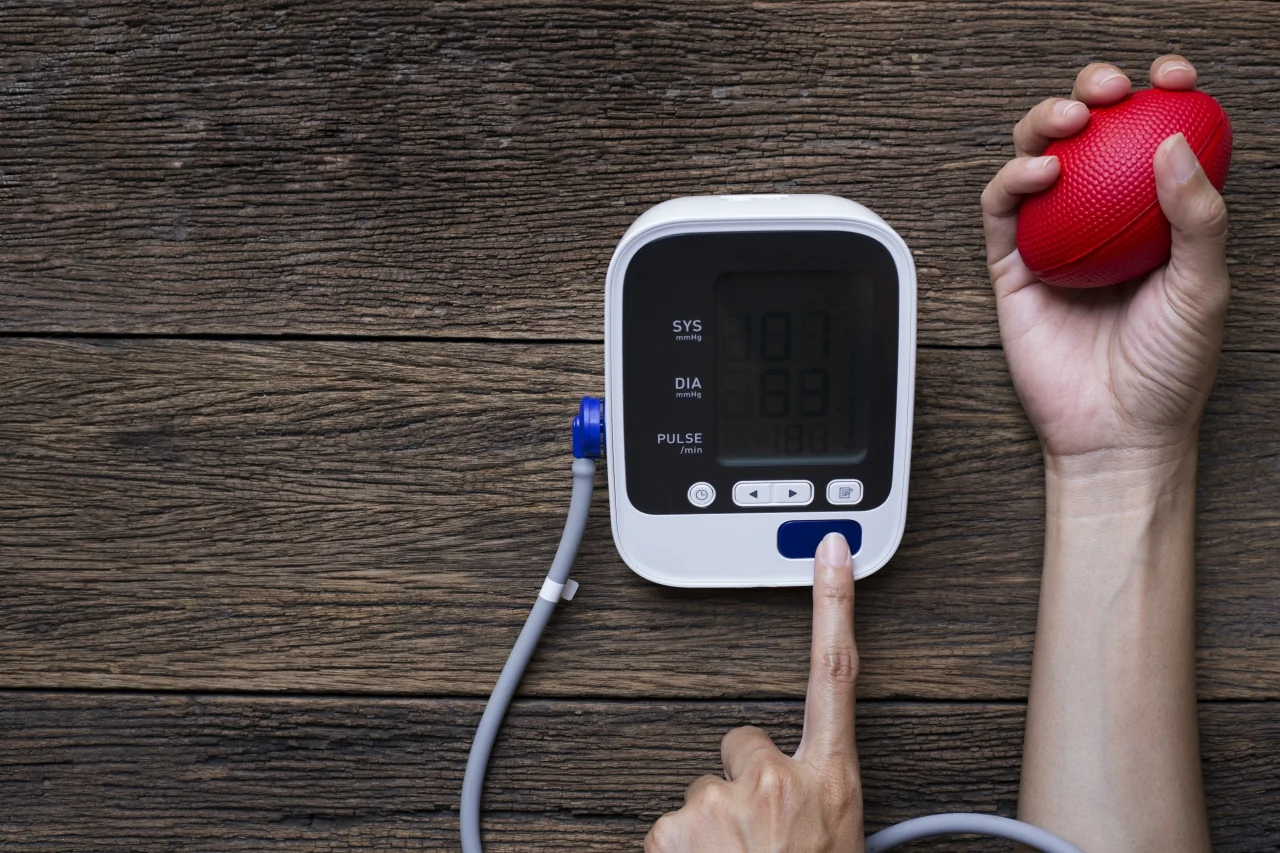
Comorbidities have a very significant impact on the course of rehabilitation, particularly after a stroke. This is because they narrow the scope of what a physiotherapist can do with the patient. Everything depends, however, on the type of coexisting conditions and how advanced they are.
Coexisting conditions can be divided into two groups: primary conditions, which were present and diagnosed before the stroke, and secondary conditions, which arose after the stroke as its result or consequence. It is also worth knowing how long rehabilitation after a stroke takes, as comorbidities can prolong the process.
Conditions that existed before the stroke are not always well controlled with medication and monitored by a specialist. The reason may be a lack of discipline on the patient’s part, a failure to follow the doctor’s recommendations, or a lack of support and oversight from those closest to them.
How coexisting conditions make stroke rehabilitation harder
Examples of conditions that make rehabilitation more difficult include aneurysms, high blood pressure, atherosclerosis, heart failure, peripheral vein disease, deep vein thrombosis, obesity and respiratory problems.
When such conditions are present, problems can arise with standing the patient up or with active work. The patient may have good prospects for therapy that improves coordination, balance and walking, but their stamina may not allow certain forms of therapy or may slow their progress.
While mobilising the patient, it is essential to watch their responses closely, to check the pulse frequently and to measure blood pressure at intervals. If the patient is able to communicate verbally, they should be asked regularly how they feel. Breaks for rest and breathing exercises are also important, as improper breathing reduces stamina.
A separate group includes hip or knee joint replacements, joint injuries and microtrauma, as well as osteoporotic and degenerative changes. A hip joint replacement means that rules protecting against dislocation of the joint must be observed, such as avoiding low seats and internal rotation of the hip. Orthopaedic conditions may also make exercises in a four-point kneeling position impossible and make it harder to learn to stand up from the floor unaided.
Visual disturbances and double vision can also present a challenge, as they hinder work on coordination, balance, walking and climbing stairs. The extent of the limitations depends on the type of eye disorder.
In the case of a partial amputation of a limb, a complete amputation of a limb or multiple amputations, proper fitting of a prosthesis is important. Depending on the case, the patient can be prepared for a prosthesis, the supporting muscles can be strengthened, care can be taken to rebuild correct movement patterns where possible, and the return of sensation can be stimulated.
These are only examples, and just a small part of what needs to be considered in a given case. A detailed interview with the patient or their family is very important, as is reviewing the medical records and as complete a history as possible of the illnesses the patient has had.
The patient’s capabilities must be assessed carefully, and each further type of therapy introduced cautiously — for example during a rehabilitation stay after a stroke. It is also worth remembering that sometimes less means more.
Read next
Loss of speech after a stroke. Aphasia and the role of the speech therapist in the therapy process.
Aphasia after a stroke is the loss of the ability to understand and produce speech. We explain the types of aphasia, the role of the speech therapist and the directions rehabilitation can take.
Read more →
Can every stroke patient be rehabilitated?
Whether rehabilitation after a stroke is possible depends on the patient’s health, the time since the event and the right choice of therapy. We explain when rehabilitation is possible and how to find the right course of action.
Read more →
When should rehabilitation after a stroke begin?
Early rehabilitation after a stroke usually starts on the neurology ward, but its scope and pace always depend on the patient’s condition and the doctor’s decision.
Read more →
Stroke – brain areas and the effects of brain damage.
The brain is the source of our identity, intellect and emotions. Here is a short guide to the different areas of the brain and the deficits that can arise when they are damaged by an ischaemic stroke.
Read more →
Stroke – emotions, mood and depression
A stroke can damage the brain structures responsible for regulating emotions and mood, which is why depression, anxiety, motivation problems and difficulties with rehabilitation can appear afterwards.
Read more →
Stroke symptoms: how to recognise them and how to respond?
Recognising the symptoms of a stroke quickly and calling for help immediately can save a life and reduce the risk of lasting complications.
Read more →
Spinal cord injury vs spinal cord stroke. What is the difference?
A spinal cord injury and a spinal cord stroke are two distinct conditions with different causes, prognosis and potential deficits. We explain the key differences and the typical consequences of spinal cord damage.
Read more →
10 most common mistakes made by neurological physiotherapists.
Karolina Łozińska describes the most common mistakes made during neurological therapy and the working principles that help to avoid them.
Read more →
Memory loss after a stroke. What it involves and what can help.
Memory loss after a stroke can involve difficulty remembering words, recognising places and learning new things. We explain what can help in everyday functioning and therapy.
Read more →
The next step
Let's talk
We are here to answer any questions you may have about the rehabilitation process.
Describe your case
Send us the details of the patient's condition and we will assess them from a therapeutic perspective.
Email consultation
Write to us describing the condition and the patient's current state of health. We will reply with our view of your situation in the context of rehabilitation.
Video of the patient
You can send us a video showing the patient's current condition. We will respond to your situation and explain the therapeutic options available.