What to do after a stroke?
NORMAN Neurological Rehabilitation Centre
Therapy results
What patients say about us
In an ideal situation, the person having a stroke or their loved ones recognise its symptoms and know how to respond, which allows the patient to reach hospital within the first three hours of the stroke occurring. Unfortunately, the ideal situation rarely happens, and every second without help works against the patient.
The symptoms of a stroke are often dismissed and treated as a temporary indisposition that will pass on its own. As a result, the patient puts off going to a medical facility, which means very precious moments for stopping or reversing the situation are lost.
When can rehabilitation after a stroke begin, and who should carry it out?
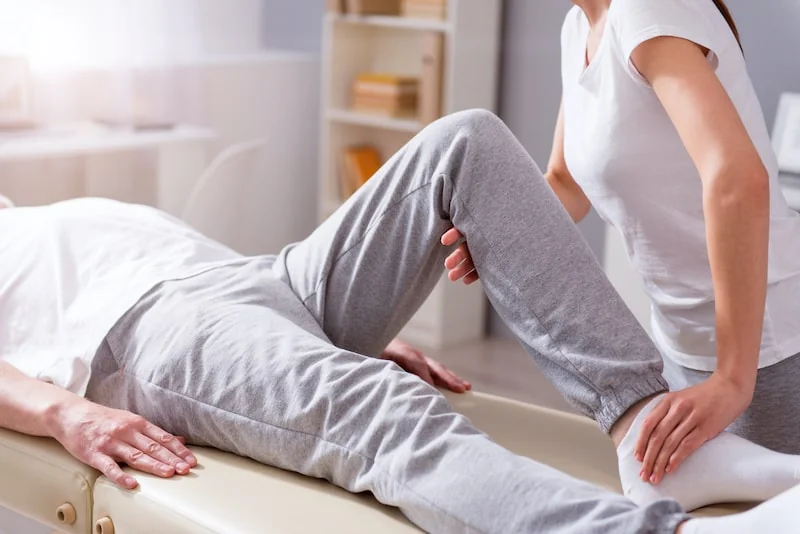
If the patient’s life is not in danger after their stroke and the doctor sees no contraindications, rehabilitation can begin as early as the first day after the event. It is best carried out by a qualified physiotherapist with experience of working with cases of this kind. Often, however, hospital wards do not have enough suitably trained staff.
There is, however, the option of inviting a qualified therapist to see an inpatient privately. This is worth considering, because well-run early rehabilitation after a stroke is a very important element that produces positive effects in the further course of therapy.
The point of therapeutic care is not to provide the patient with massages to protect against pressure sores. The essence of therapy is working with a neurological physiotherapist who has the knowledge and experience to guide the patient properly out of the deficits caused by the stroke. The time lost immediately after a stroke often cannot be made up, or it takes months — even years — when therapy is started too late.
Support from loved ones after a stroke
The attitude of the family, closest carers or the patient’s partner plays an important role. Their task is to organise rehabilitation support as quickly as possible for the person with post-stroke deficits. In many cases, the help of a psychologist and a speech and language therapist to carry out speech rehabilitation may also be needed. Reaching a specialist physiotherapy facility quickly is a major advantage.
The ideal care pathway after observing or diagnosing the symptoms of a stroke involves recognising the problem quickly, transporting the patient to a neurology ward, starting therapy as soon as possible, continuing it on a rehabilitation ward, and then arranging home-based rehabilitation and further treatment at a specialist centre.
Once physical improvement has been achieved, further therapy should not be abandoned. To maintain the effect and allow for further improvement, it should be carried out regularly at home, on an outpatient basis by a suitable physiotherapist, or in the form of neurological rehabilitation stays.
Read next
Loss of speech after a stroke. Aphasia and the role of the speech therapist in the therapy process.
Aphasia after a stroke is the loss of the ability to understand and produce speech. We explain the types of aphasia, the role of the speech therapist and the directions rehabilitation can take.
Read more →
Can every stroke patient be rehabilitated?
Whether rehabilitation after a stroke is possible depends on the patient’s health, the time since the event and the right choice of therapy. We explain when rehabilitation is possible and how to find the right course of action.
Read more →
When should rehabilitation after a stroke begin?
Early rehabilitation after a stroke usually starts on the neurology ward, but its scope and pace always depend on the patient’s condition and the doctor’s decision.
Read more →
Stroke – brain areas and the effects of brain damage.
The brain is the source of our identity, intellect and emotions. Here is a short guide to the different areas of the brain and the deficits that can arise when they are damaged by an ischaemic stroke.
Read more →
Stroke – emotions, mood and depression
A stroke can damage the brain structures responsible for regulating emotions and mood, which is why depression, anxiety, motivation problems and difficulties with rehabilitation can appear afterwards.
Read more →
Stroke symptoms: how to recognise them and how to respond?
Recognising the symptoms of a stroke quickly and calling for help immediately can save a life and reduce the risk of lasting complications.
Read more →
Spinal cord injury vs spinal cord stroke. What is the difference?
A spinal cord injury and a spinal cord stroke are two distinct conditions with different causes, prognosis and potential deficits. We explain the key differences and the typical consequences of spinal cord damage.
Read more →
10 most common mistakes made by neurological physiotherapists.
Karolina Łozińska describes the most common mistakes made during neurological therapy and the working principles that help to avoid them.
Read more →
Memory loss after a stroke. What it involves and what can help.
Memory loss after a stroke can involve difficulty remembering words, recognising places and learning new things. We explain what can help in everyday functioning and therapy.
Read more →
The next step
Let's talk
We are here to answer any questions you may have about the rehabilitation process.
Describe your case
Send us the details of the patient's condition and we will assess them from a therapeutic perspective.
Email consultation
Write to us describing the condition and the patient's current state of health. We will reply with our view of your situation in the context of rehabilitation.
Video of the patient
You can send us a video showing the patient's current condition. We will respond to your situation and explain the therapeutic options available.