Neuropsychological rehabilitation after a stroke. How can it help?
Aleksandra Mielnik
Therapy results
What patients say about us
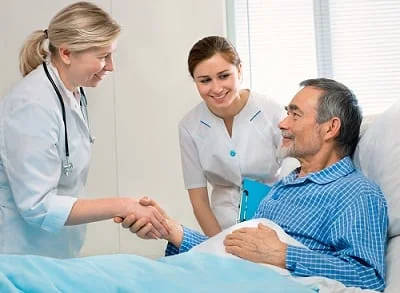
When we talk about the effects of a stroke, we most often mean physical limitations — that is, muscle weakness (paresis) — and speech difficulties. For these problems there is relatively broad access in Poland to various forms of therapy, such as speech rehabilitation after a stroke, rehabilitation stays and one-to-one work with a physiotherapist.
Far less attention is paid to cognitive impairments. They are less visible than motor deficits, but they can significantly limit the everyday functioning of a person after a stroke. In such situations, neuropsychological rehabilitation becomes an important part of the recovery process.
Cognitive processes include, among others, visual and auditory perception, attention, memory, thinking, language functions, executive functions and cognitive control. All of these areas are needed for normal, everyday functioning and are involved even in very simple activities.
As a result of a stroke, one or more of these processes may be weakened. Identifying what has been impaired, to what extent and how the return of lost functions can be supported is the work of a psychologist — and in particular a neuropsychologist.
The type and severity of deficits after a stroke
The type and severity of the deficits that arise as a result of a stroke depend on many factors, including the location of the stroke, the number of previous strokes and the patient’s age. The most commonly observed cognitive impairments include:
- Impaired attention — reduced ability to divide attention, a shortened or excessively prolonged span of concentration, and greater susceptibility to distraction.
- Impaired memory function, including difficulty remembering new information, retrieving previously known material or learning new tasks. We write in more detail about what memory loss after a stroke involves in a separate article.
- Perceptual impairments — difficulty recognising familiar objects by sight, sound or touch despite no damage to the sensory organ itself.
- Impaired language functions, most often aphasic after damage to the left hemisphere, but also possible after right-sided strokes — for example, difficulty understanding metaphor and humour.
- Impaired self-control.
This does not cover all the possible changes. Cognitive impairments may also be accompanied by changes in personality and behaviour, as well as mood swings — both towards excessive lowering and excessive elevation — up to and including depression after a stroke.
What can a patient expect from a neuropsychologist?
A person who has had a stroke and comes to see a neuropsychologist can expect a thorough assessment of their cognitive functioning. Such an assessment makes it possible to identify the patient’s strengths, pinpoint the impaired areas and establish their severity.
On the basis of a well-conducted assessment, the further course of therapeutic care can be planned — that is, a course of neuropsychological rehabilitation tailored to the individual patient.
What is neuropsychological rehabilitation?
Neuropsychological rehabilitation involves measures designed to help a person after a stroke regain as much independence as possible and return to everyday activities, including work. It draws on the brain’s natural plasticity, appropriately stimulating the processes responsible for restoring lost functions.
At the same time, the patient learns strategies for compensating for lasting deficits by making better use of the processes that have not been weakened. One example is relying more on auditory information when visual perception is impaired.
During rehabilitation, materials are used that are matched to the patient’s needs and abilities, and their complexity is gradually increased. The aim is to improve quality of life and to enable the best possible adaptation to everyday, as independent as possible, functioning.
Neuropsychological rehabilitation is often an essential part of recovery after a stroke, and it is best when it forms part of broader neurological rehabilitation programmes, because impairments of attention, memory or comprehension can also hinder physical rehabilitation. The patient may have difficulty remembering instructions, learning how to perform exercises or understanding longer messages. That is why cognitive exercises are sometimes necessary in order for the patient to make full use of physical therapy as well.
Read next
Loss of speech after a stroke. Aphasia and the role of the speech therapist in the therapy process.
Aphasia after a stroke is the loss of the ability to understand and produce speech. We explain the types of aphasia, the role of the speech therapist and the directions rehabilitation can take.
Read more →
Can every stroke patient be rehabilitated?
Whether rehabilitation after a stroke is possible depends on the patient’s health, the time since the event and the right choice of therapy. We explain when rehabilitation is possible and how to find the right course of action.
Read more →
When should rehabilitation after a stroke begin?
Early rehabilitation after a stroke usually starts on the neurology ward, but its scope and pace always depend on the patient’s condition and the doctor’s decision.
Read more →
Stroke – brain areas and the effects of brain damage.
The brain is the source of our identity, intellect and emotions. Here is a short guide to the different areas of the brain and the deficits that can arise when they are damaged by an ischaemic stroke.
Read more →
Stroke – emotions, mood and depression
A stroke can damage the brain structures responsible for regulating emotions and mood, which is why depression, anxiety, motivation problems and difficulties with rehabilitation can appear afterwards.
Read more →
Stroke symptoms: how to recognise them and how to respond?
Recognising the symptoms of a stroke quickly and calling for help immediately can save a life and reduce the risk of lasting complications.
Read more →
Spinal cord injury vs spinal cord stroke. What is the difference?
A spinal cord injury and a spinal cord stroke are two distinct conditions with different causes, prognosis and potential deficits. We explain the key differences and the typical consequences of spinal cord damage.
Read more →
10 most common mistakes made by neurological physiotherapists.
Karolina Łozińska describes the most common mistakes made during neurological therapy and the working principles that help to avoid them.
Read more →
Memory loss after a stroke. What it involves and what can help.
Memory loss after a stroke can involve difficulty remembering words, recognising places and learning new things. We explain what can help in everyday functioning and therapy.
Read more →
The next step
Let's talk
We are here to answer any questions you may have about the rehabilitation process.
Describe your case
Send us the details of the patient's condition and we will assess them from a therapeutic perspective.
Email consultation
Write to us describing the condition and the patient's current state of health. We will reply with our view of your situation in the context of rehabilitation.
Video of the patient
You can send us a video showing the patient's current condition. We will respond to your situation and explain the therapeutic options available.